
Advanced Neuro-Ophthalmology Care
Neuro-Ophthalmology
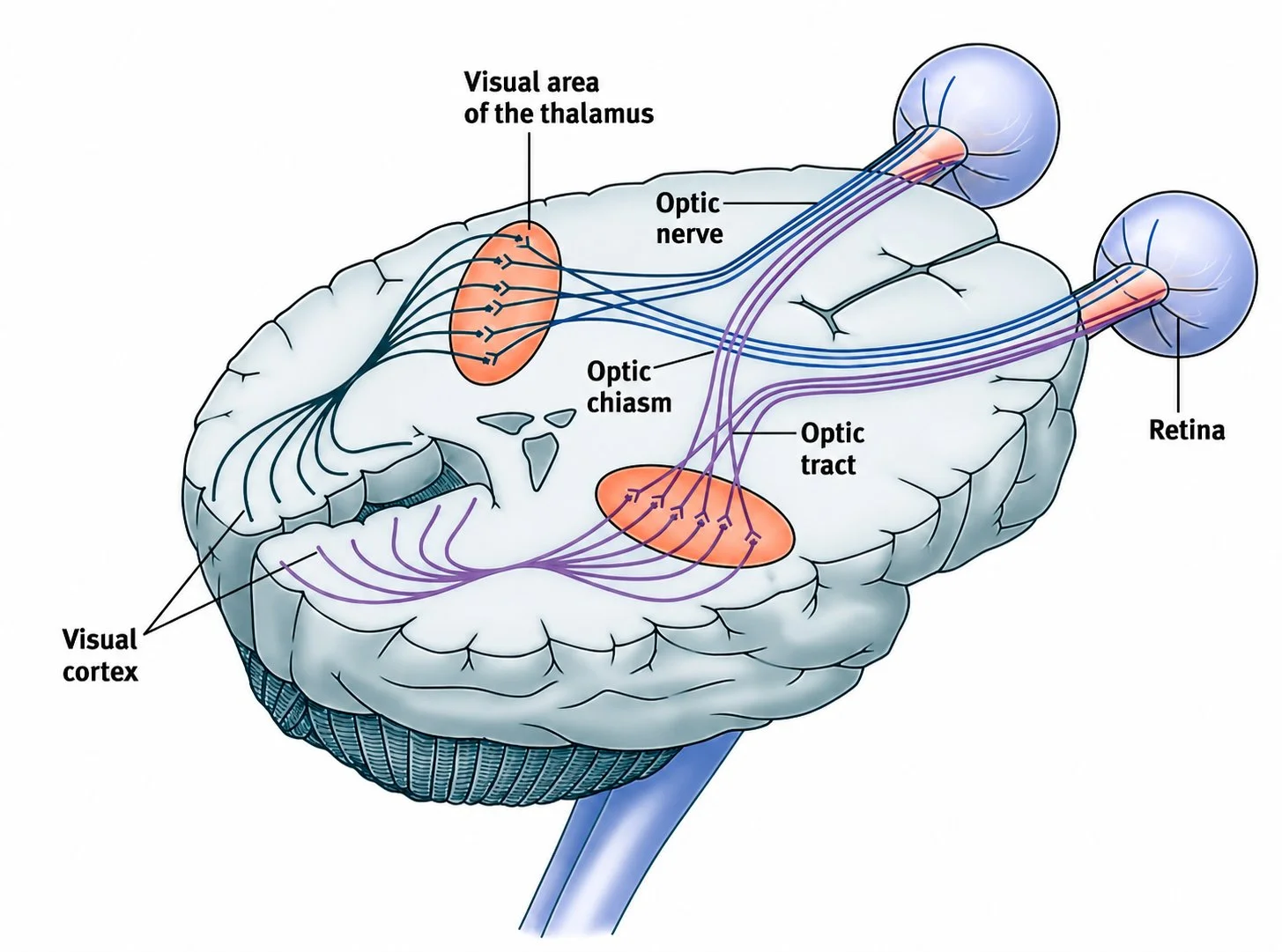
Vision is not only about the health of the eye. The eye captures an image and sends it to the brain via the optic nerve to process what we see.
Neuro-ophthalmology is the branch of eye care that connects the eye, optic nerve and brain.
At NAMAH Superspeciality Eye Care, neuro-ophthalmology evaluation is focused on detailed clinical examination, imaging-based documentation and timely coordination with neurology or radiology specialities. Some of these conditions may require urgent referrals to avoid life and sight threatening sequelae.
What is Neuro-Ophthalmology?
Neuro-ophthalmology deals with eye problems related to the optic nerve, brain, nerves controlling eye movements, pupillary and visual pathways.
The optic nerve carries visual signals from the retina to the brain for processing via a neural network.
Some neuro-ophthalmic conditions are mild and recover with treatment. Others may be warning signs of serious neurological or systemic disease.
That is why careful evaluation is important, especially when symptoms are sudden, unexplained or progressive.
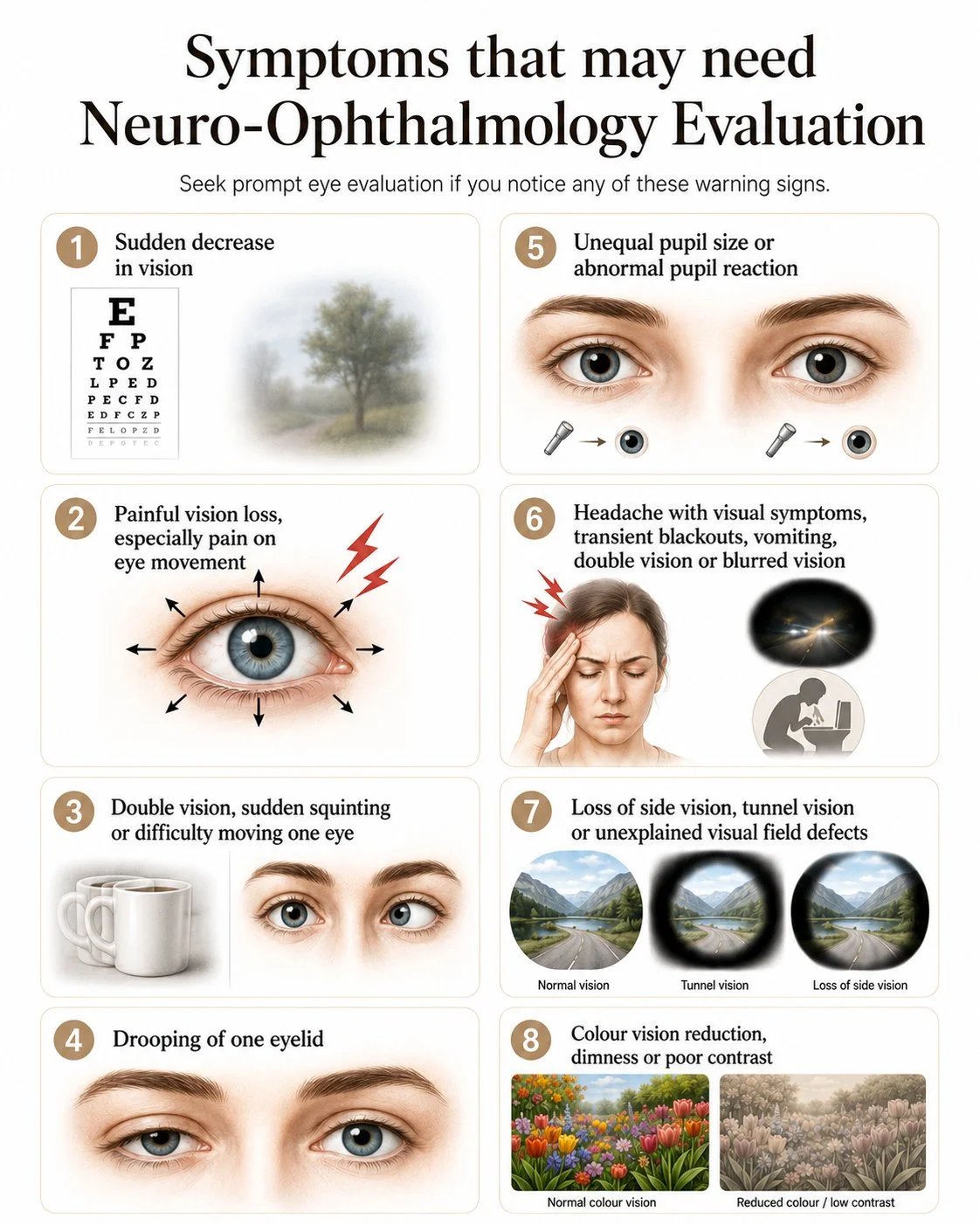
When should you see a Neuro-Ophthalmology specialist?
Double vision, sudden squinting or difficulty moving one eye.
Drooping of one eyelid, especially if sudden or associated with double vision.
Unequal pupil size, abnormal pupil reaction or sudden change in pupil appearan
Headache with visual symptoms, transient blackouts, vomiting, double vision or blurred vision.
Loss of side vision, tunnel vision or unexplained visual field defects.
Colour vision reduction, dimness or poor contrast
Patients with neurological disease like stroke, brain tumour, multiple sclerosis needing eye evaluation.
Click on the image to zoom in
URGENT evaluation by an eye specialist
Sudden decrease/loss in vision especially when associated with painful eye movements or systemic associations such as severe headache, tender scalp or jaw pain while chewing
Sudden double vision
Severe headache with vomiting, transient blackouts of vision or neurological symptoms such as weakness or speech difficulty
Sudden Drooping of eyelid
Neuro-Ophthalmology evaluation at NAMAH
From symptom to diagnosis – A Structured Neuro-Ophthalmology Care Pathway
Symptoms, ocular history and relevant medical and systemic history noted
Vision testing, Pupillary reaction, Colour Vision testing, Ocular movement assessment, Intraocular pressure measurement, Cranial nerves evaluation
Anterior segment examination
Optic nerve and Retina examination [Dilating eye drops instilled if required]
Visual field testing
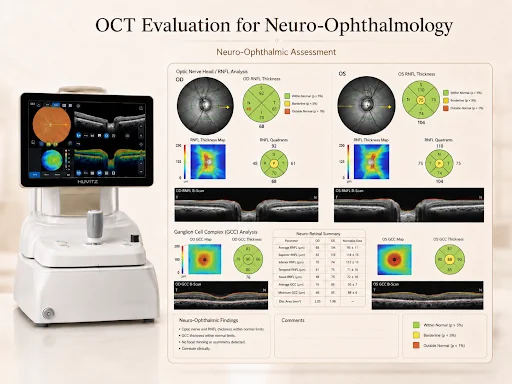
Imaging done- Optical Coherence Tomography (OCT)- Optic nerve / Retinal nerve fibre layer / Macular ganglion cell analysis
Counselling, management plan discussed and referral for neuro-imaging or neurologist opinion when required.
Namah is well-equipped with Advanced Diagnostics for Neuro-Ophthalmology evaluation
At Namah, we use advanced diagnostics to evaluate and to document the progress of the condition.
Visual Field Testing
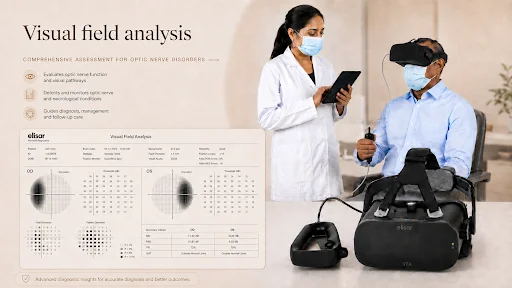
Visual Field Testing using the Elisar AVA (Advanced Vision Analyser), a light-weight, head mounted, portable, virtual reality-based device especially convenient for aging and wheelchair bound patients.
Visual field testing is important for localisation of the lesion along the visual pathway which helps in the diagnosis of the condition
Further it helps to document the progress of the disease and response to treatment
Click on the image to zoom in
Spectral Domain-Optical Coherence Tomography (SD-OCT) Huvitz OCTavius
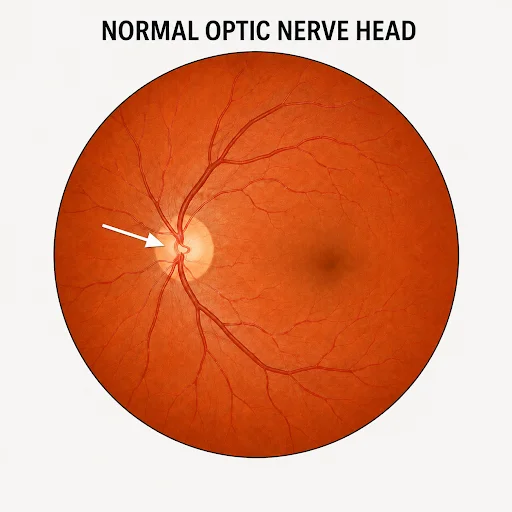
SD-OCT technology is used for fast and detailed imaging of the optic nerve head (ONH), retinal nerve fibre layer and ganglion cell complex. This helps to detect early structural changes in the ONH.
Fast
Non-invasive
High resolution 3D imaging
High sensitivity for detection of subtle changes in the retinal layers
Monitoring of disease progression and treatment response
Click on the image to zoom in
Common Neuro-Ophthalmology Conditions
Optic Neuritis
It is an inflammation of the optic nerve. It can cause sudden blurred vision, pain on eye movement, colour desaturation and dimness of vision.
Papilledema
Swelling of the optic nerve due to raised intracranial pressure. Patients may have headache, transient blackouts of vision, vomiting, double vision or blurred vision. It needs urgent evaluation and referral to neurology.
Ischemic Optic Neuropathy
Reduced blood supply to the optic nerve, often causing sudden painless vision loss. It is more common in older patients and those with diabetes, hypertension, sleep apnea or vascular risk factors.
Compressive Optic Neuropathy
Pressure on the optic nerve or visual pathway due to lesions such as pituitary tumours, orbital masses or brain lesions. It may cause gradual vision loss or field defects.
Cranial Nerve Palsy
Weakness of nerves controlling eye movements. It can cause sudden double vision, eye deviation, drooping eyelid or restricted eye movement. Causes may include diabetes, hypertension, aneurysm, inflammation, trauma or brain disease.
Ocular Myasthenia Gravis
A condition causing fluctuating drooping of eyelids or double vision. Symptoms may worsen by evening or with fatigue and improve with rest.
Traumatic Optic Neuropathy
Injury to the optic nerve after trauma can lead to sudden reduction in vision. Urgent evaluation is important, especially after head or orbital injury.
Frequently Asked Questions
I have sudden vision loss but no redness or pain. Should I still get checked?
Yes. Some serious optic nerve or neurological causes of vision loss may occur even when the eye looks normal from outside. Sudden unexplained vision loss should be evaluated urgently.
What is the optic nerve?
The optic nerve is the nerve that carries visual signals from the eye to the brain. Damage or swelling of the optic nerve can affect vision, colour perception, brightness and visual field.
Is double vision serious?
Sudden double vision can sometimes be due to nerve palsy, diabetes, hypertension, thyroid eye disease, myasthenia or neurological disease. It should be evaluated, especially if it is new, persistent or associated with headache, drooping eyelid or pupil changes.
Does every headache need neuro-ophthalmology evaluation?
No. Most headaches are not due to eye or optic nerve disease. However, headache with blurred vision, transient blackouts, double vision, vomiting, optic nerve swelling or sudden visual symptoms needs proper evaluation.
Why is visual field testing important?
A patient may not notice side vision loss in the early stages. Visual field testing helps detect defects caused by optic nerve disease, glaucoma, pituitary lesions, stroke or brain pathway problems.
Will I need an MRI?
Not every patient needs an MRI. Neuroimaging is advised only when the clinical findings suggest optic nerve or neurological involvement.
Can optic neuritis recover?
Many cases of optic neuritis improve, but the cause and recovery pattern vary. Careful evaluation, systemic correlation and follow-up are important.
Can diabetes cause double vision?
Yes. Diabetes can sometimes affect the nerves controlling eye movement, causing sudden double vision. However, other serious causes also need to be ruled out.
When should I seek emergency care?
Sudden vision loss, sudden double vision, drooping eyelid with pupil change, severe headache with vomiting, transient blackouts of vision, optic nerve swelling or neurological symptoms such as weakness or speech difficulty should be treated as urgent.