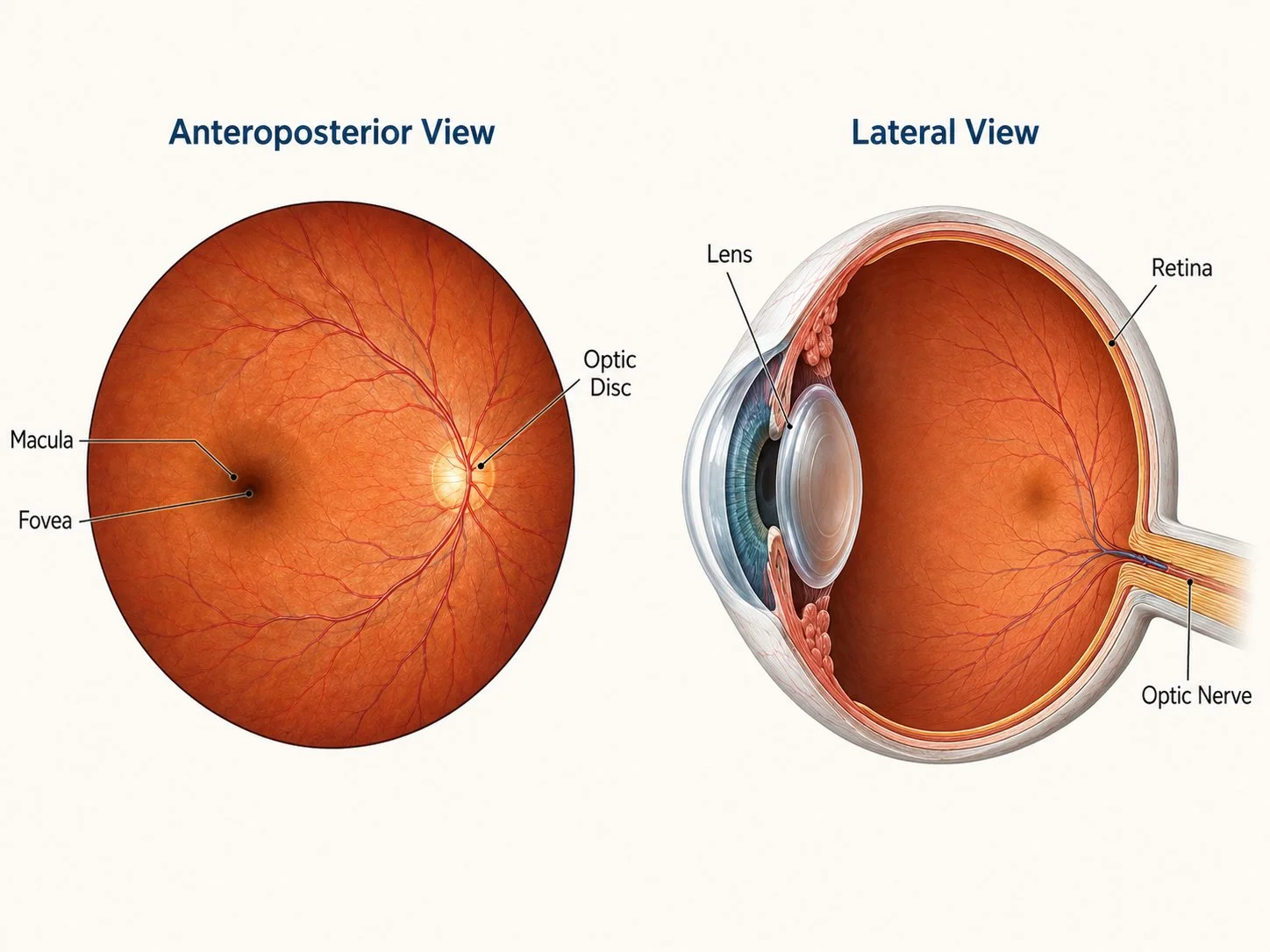
The retina is the delicate nerve layer at the back of the eye. It receives light and sends visual signals to the brain via the optic nerve.
Retinal diseases can result in blurred, distorted, patchy or sudden decrease in vision
Some retinal diseases are silent in the early stages. Others need urgent treatment to prevent permanent damage.
That is why a retina evaluation is not just a routine eye check - it is a detailed examination of the most sensitive part of the eye that actually captures vision.
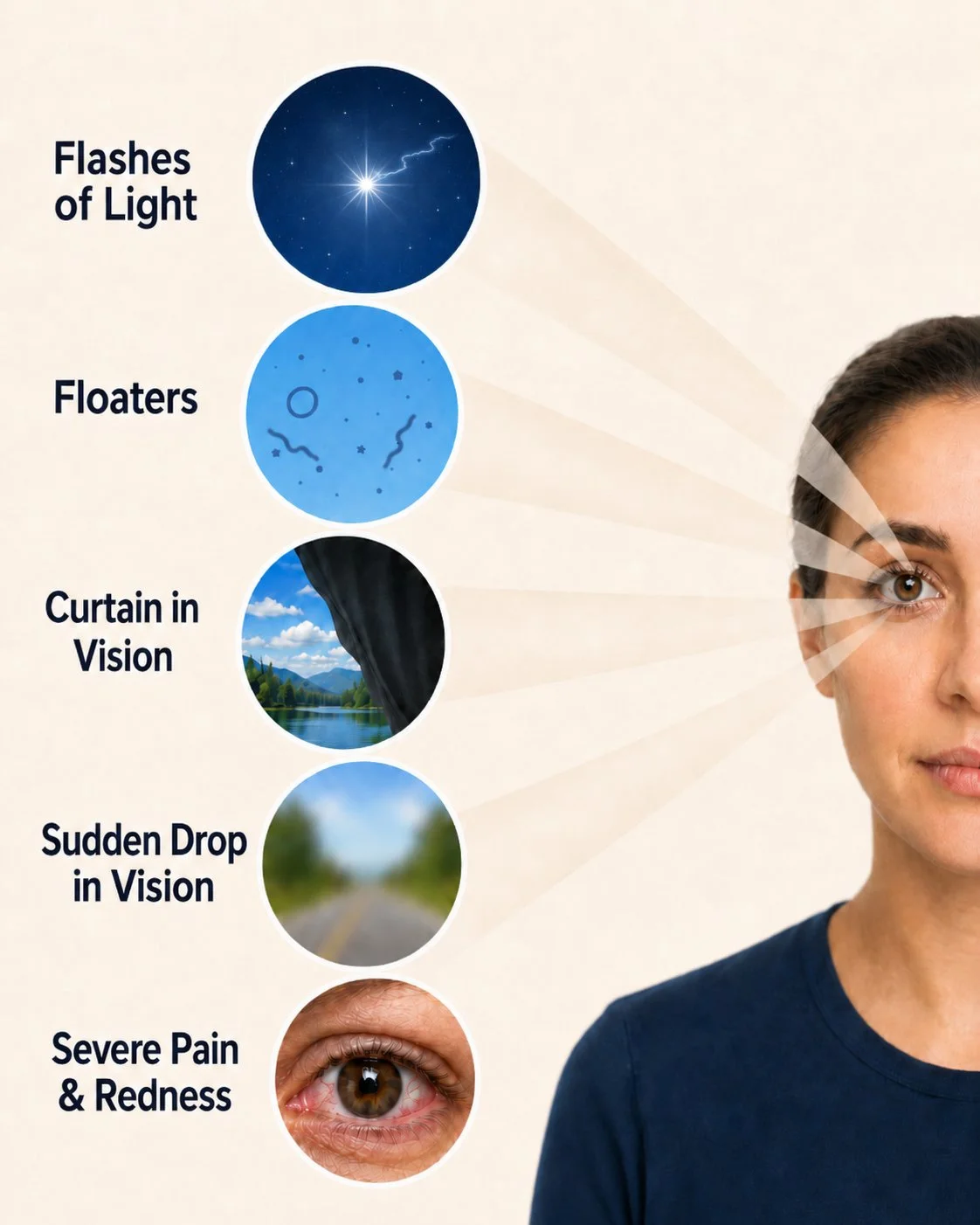
Emergency evaluation in case of sudden increase in floaters or black spots, flashes of light, a curtain/shadow in vision, sudden drop in vision, severe eye pain and redness.
Patients with gradual decrease in vision, distorted lines, dark central patch
Diabetic patients for Diabetic retinopathy screening
Elderly patients (ideally over 50 years of age) for Age related macular degeneration screening
High myopes for baseline and follow up screening for peripheral retinal degenerations
Premature baby needing ROP screening
Symptoms, ocular and medical history along with systemic history of the patient are noted
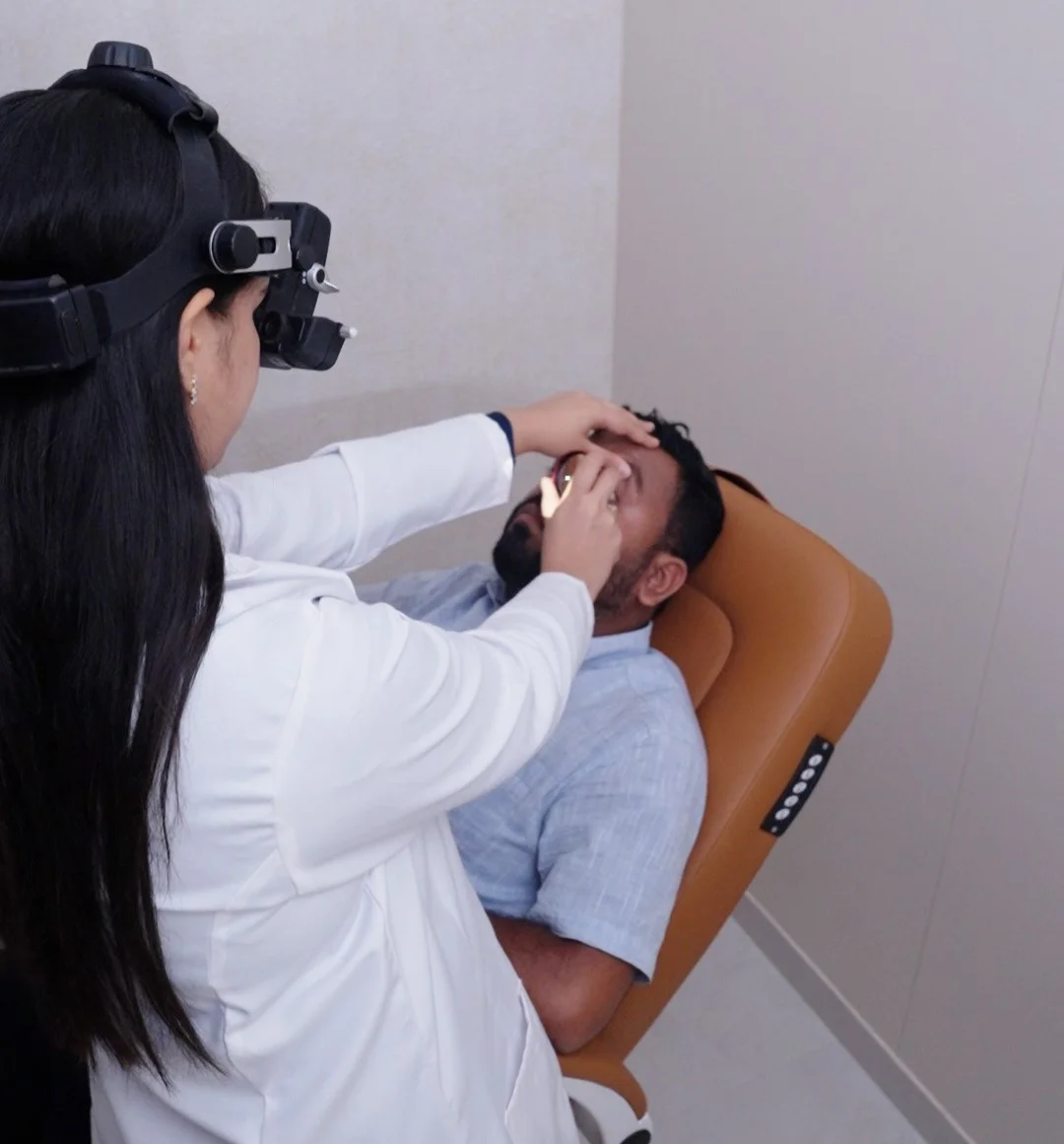
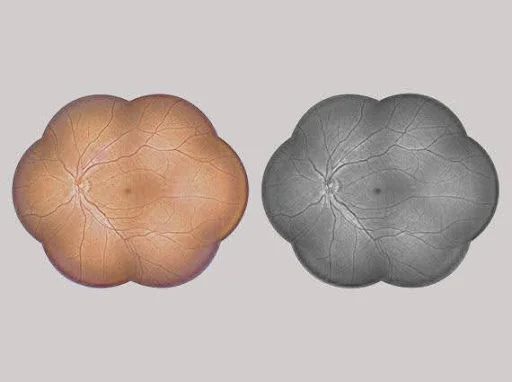
At Namah, every patient undergoes a comprehensive evaluation right from vision assessment to anterior and posterior segment evaluation. Retina care especially relies on detail. A patient undergoes a detailed retinal examination after dilatation. Imaging modalities are further used to understand the disease depth, activity and progression better.
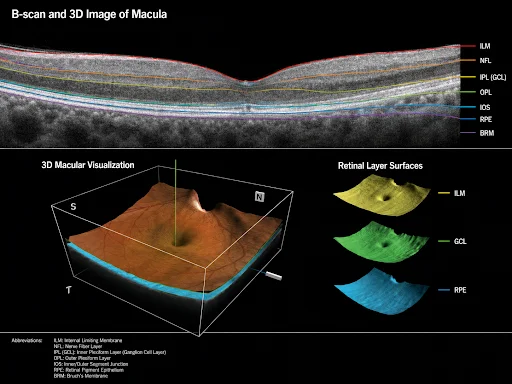
Spectral domain-Optical coherence tomography uses light for speedy and detailed retinal layer imaging allowing for detection of subtle changes as well as for objectively monitoring disease progression and treatment efficacy.
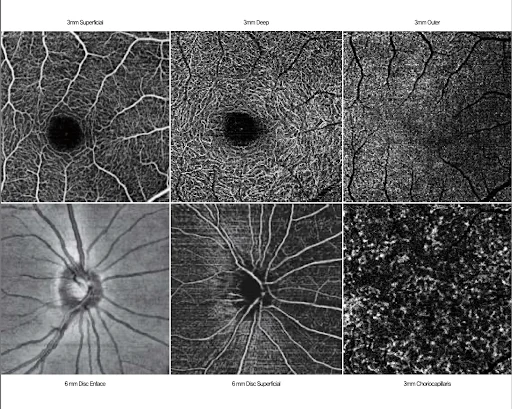
Optical coherence tomography- Angiography technology allows for non-invasive (without the use of a dye injection) visualisation of the blood vessels of the eye and any disease affecting them. This is extremely useful to differentiate between normal blood vessels and abnormally formed new vessels in the eye which can lead to bleeding and scarring in the eye in advanced cases.
Many retinal conditions can be managed with targeted treatment when detected at the right time.
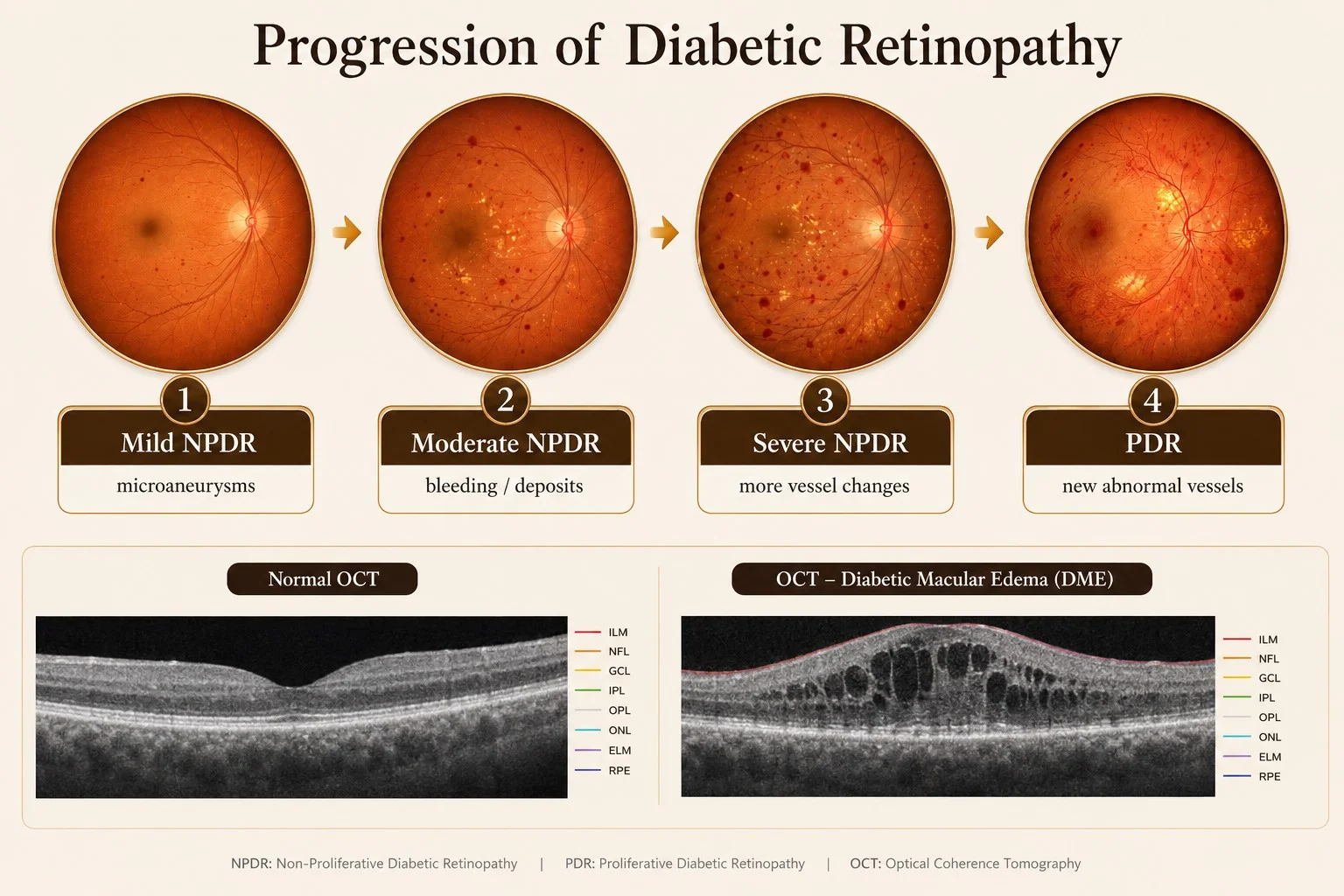
Diabetes can damage the small blood vessels of the retina. Diabetic retinopathy is one of the most important reasons for regular retinal screening. In early stages, a person may see well and still have retinal changes. As the disease progresses, it can cause bleeding, swelling in the central retina, new abnormal blood vessels, vitreous hemorrhage or traction on the retina. Timely diagnosis thus, becomes very important in order to prevent severe complications.
At NAMAH, diabetic retina care focuses on early detection, OCT-based evaluation, retinal imaging, stage-wise treatment planning and follow-up documentation. Depending on the stage, treatment may include observation, better systemic control, retinal laser, intravitreal injections or surgery.
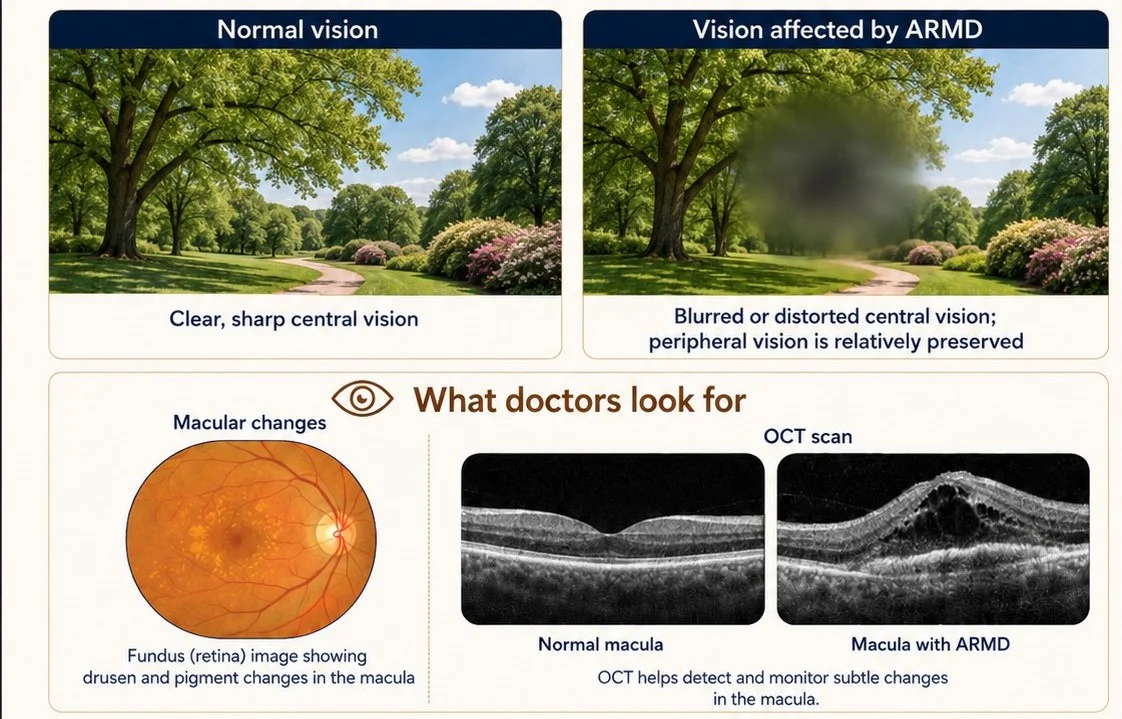
The macula is the central, most sensitive part of the retina responsible for reading, recognizing faces and fine detail. Age-Related Macular Degeneration affects central vision, reading and face recognition in elderly individuals. Clinical and OCT evaluation helps to identify dry or wet forms which requires treatment in the form of intravitreal injections.
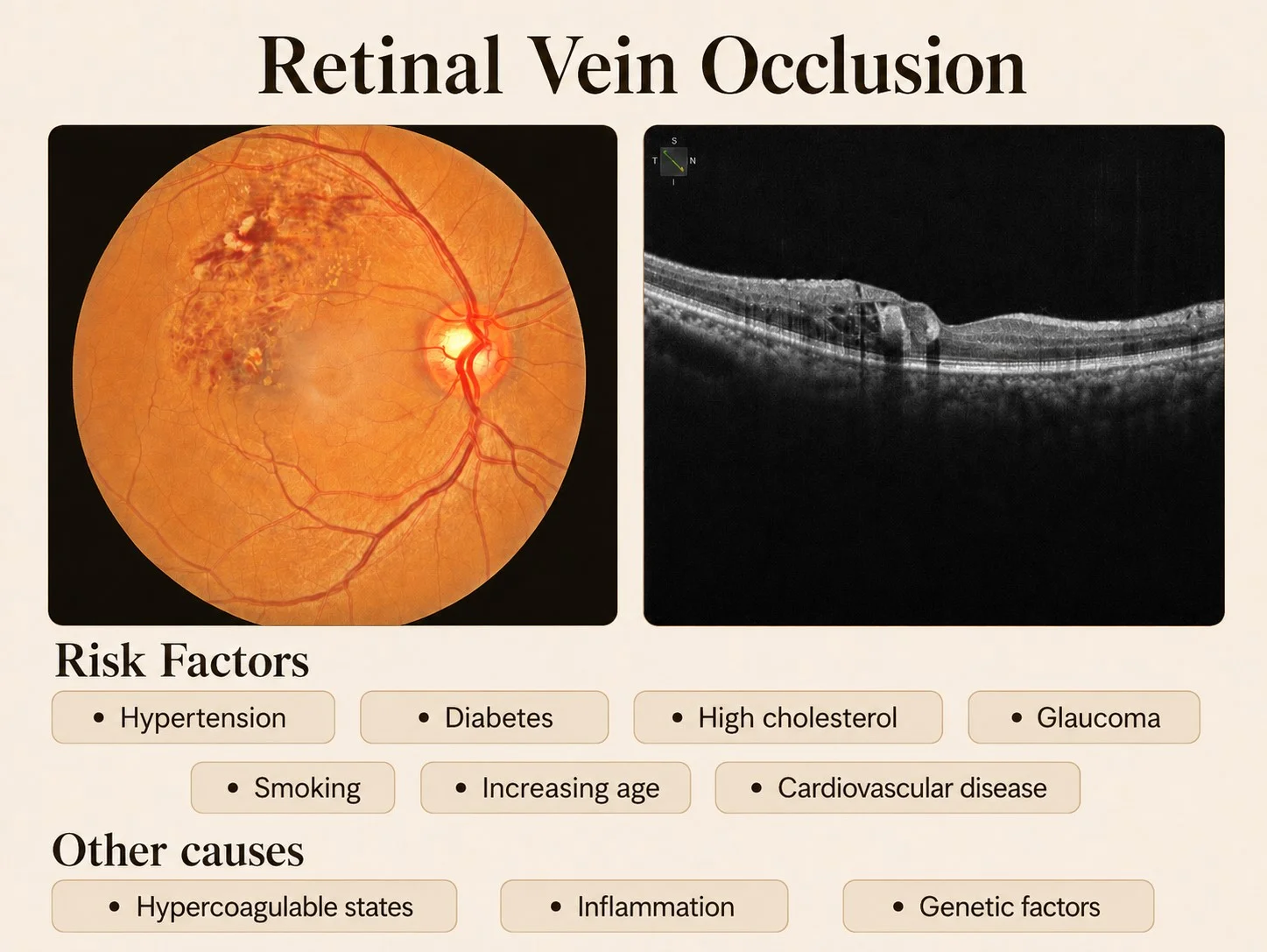
A blockage in retinal veins can cause sudden blurred vision or bleeding/swelling in the retina. More common in individuals with hypertension.
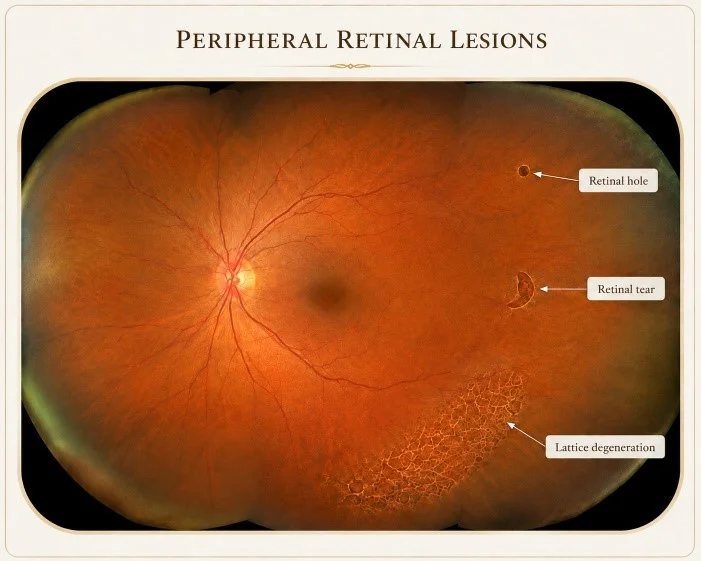
Small breaks in the retina may need timely laser to reduce the risk of retinal detachment.
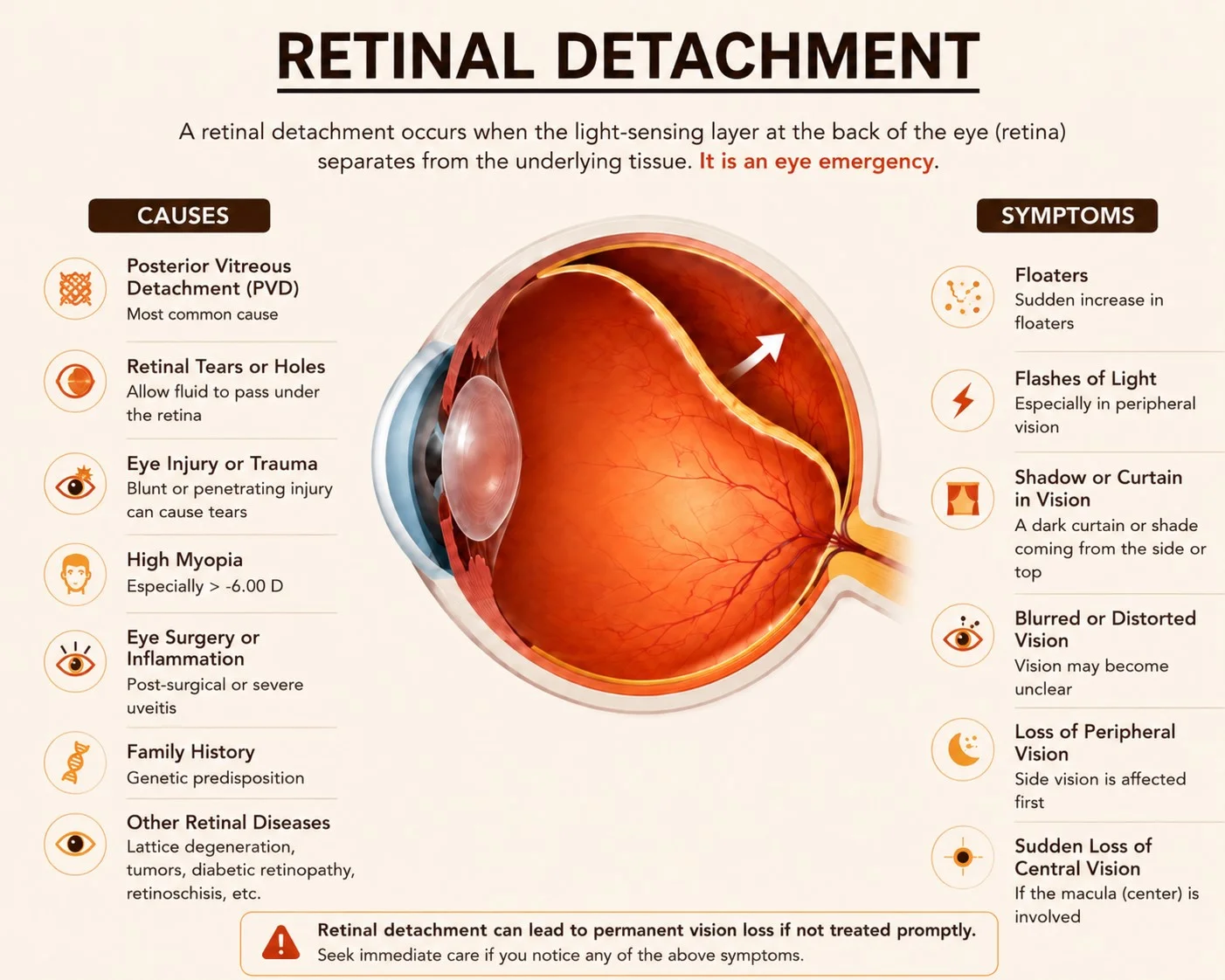
A serious condition where the retina separates from its support layer. Sudden floaters, flashes or a curtain-like shadow need urgent attention.
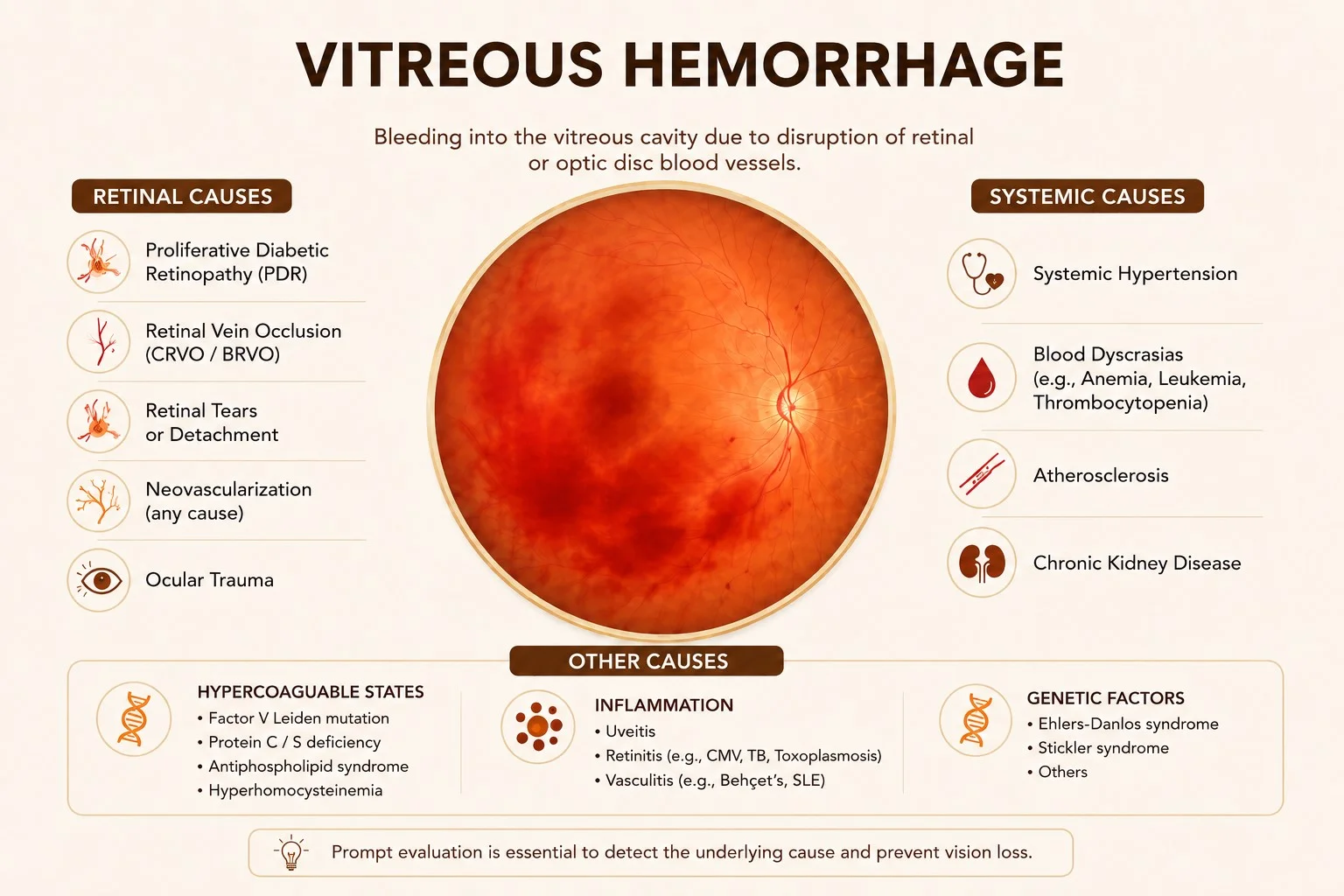
Bleeding inside the eye can cause sudden hazy vision or black floaters and often needs detailed retinal evaluation.
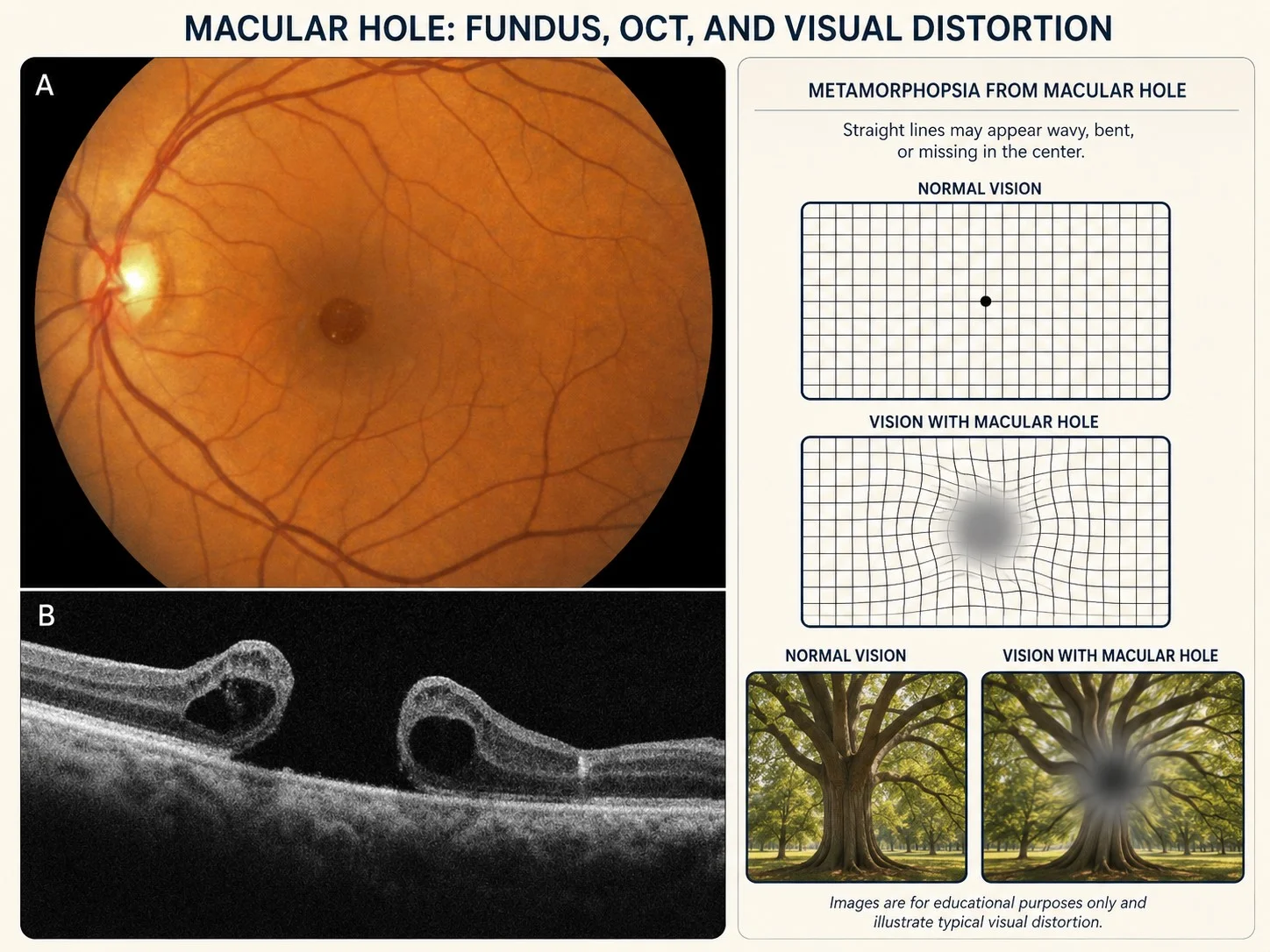
A defect in the central retina that can cause distortion or central vision loss. Some cases require surgery.
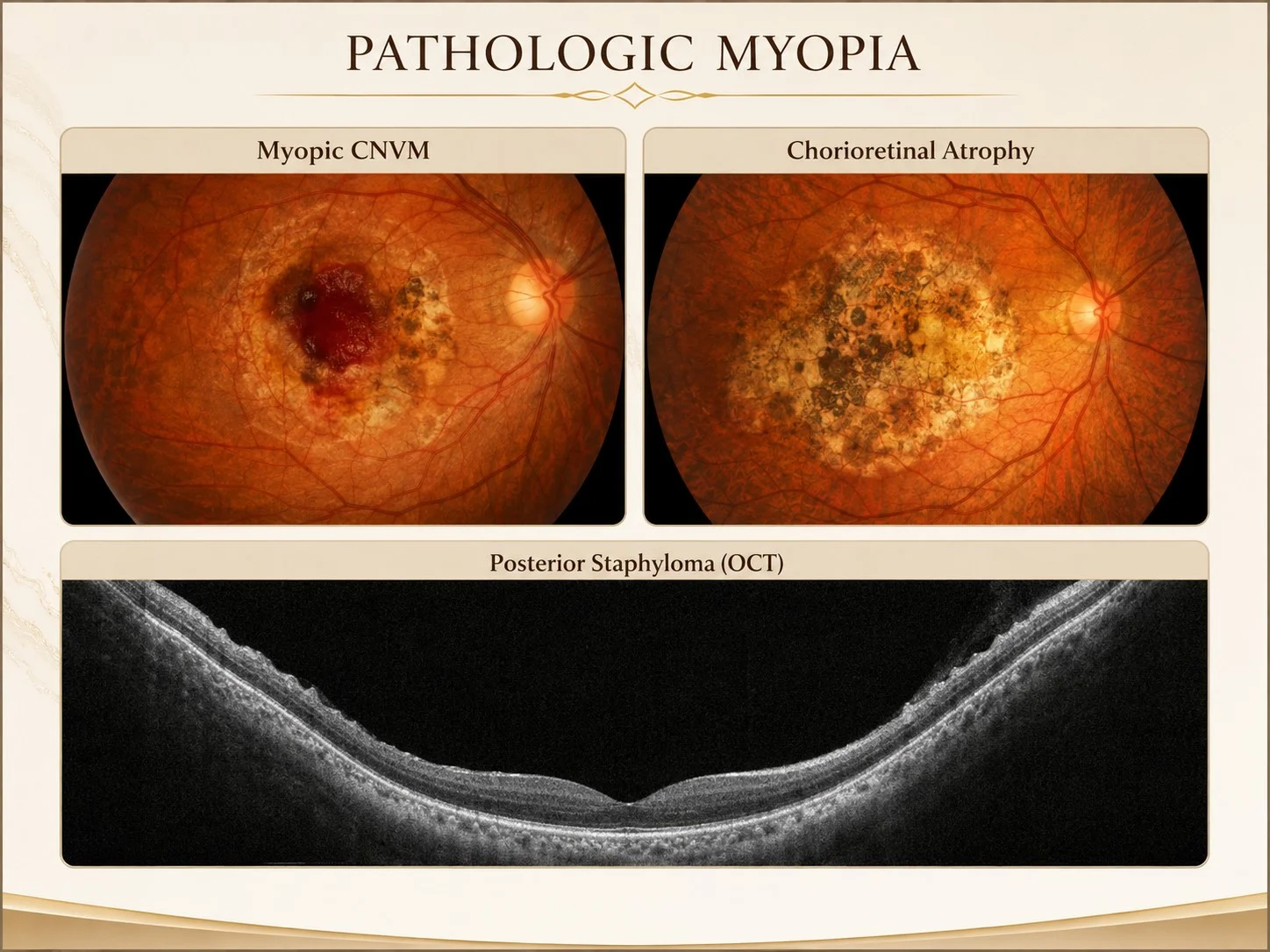
High myopia can stretch the retina and increase risk of peripheral retinal weakness or macular changes including a macular hole.
Evaluation, documentation, genetic counselling and referral support is provided in patients with genetic eye diseases.
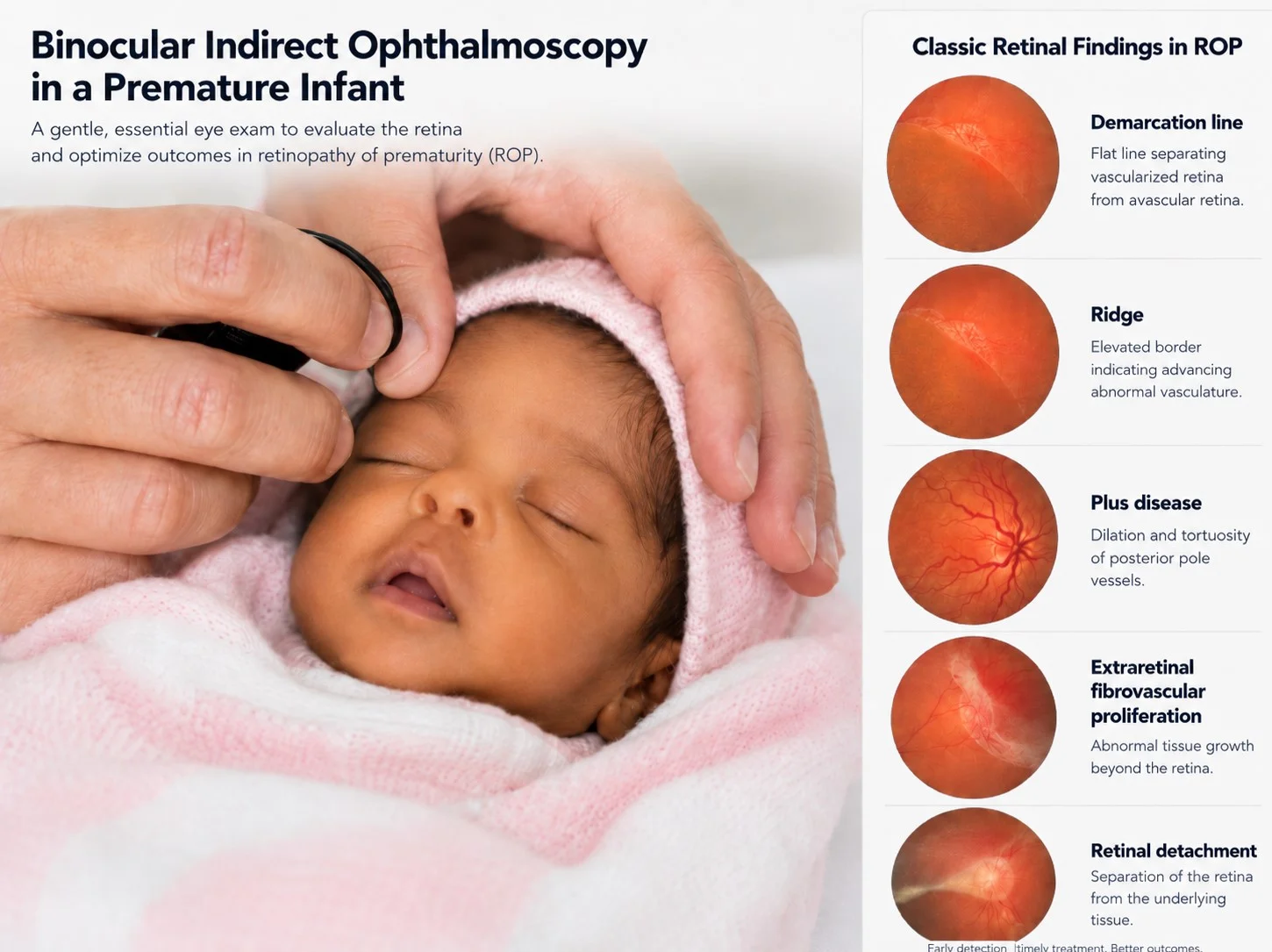
Retinal examination for premature infants with timely referral for appropriate treatment to prevent vision threatening complications including blindness.
Assessment for abnormal retinal reflex, poor visual response, prematurity-related retinal disease and selected pediatric vitreoretinal concerns.
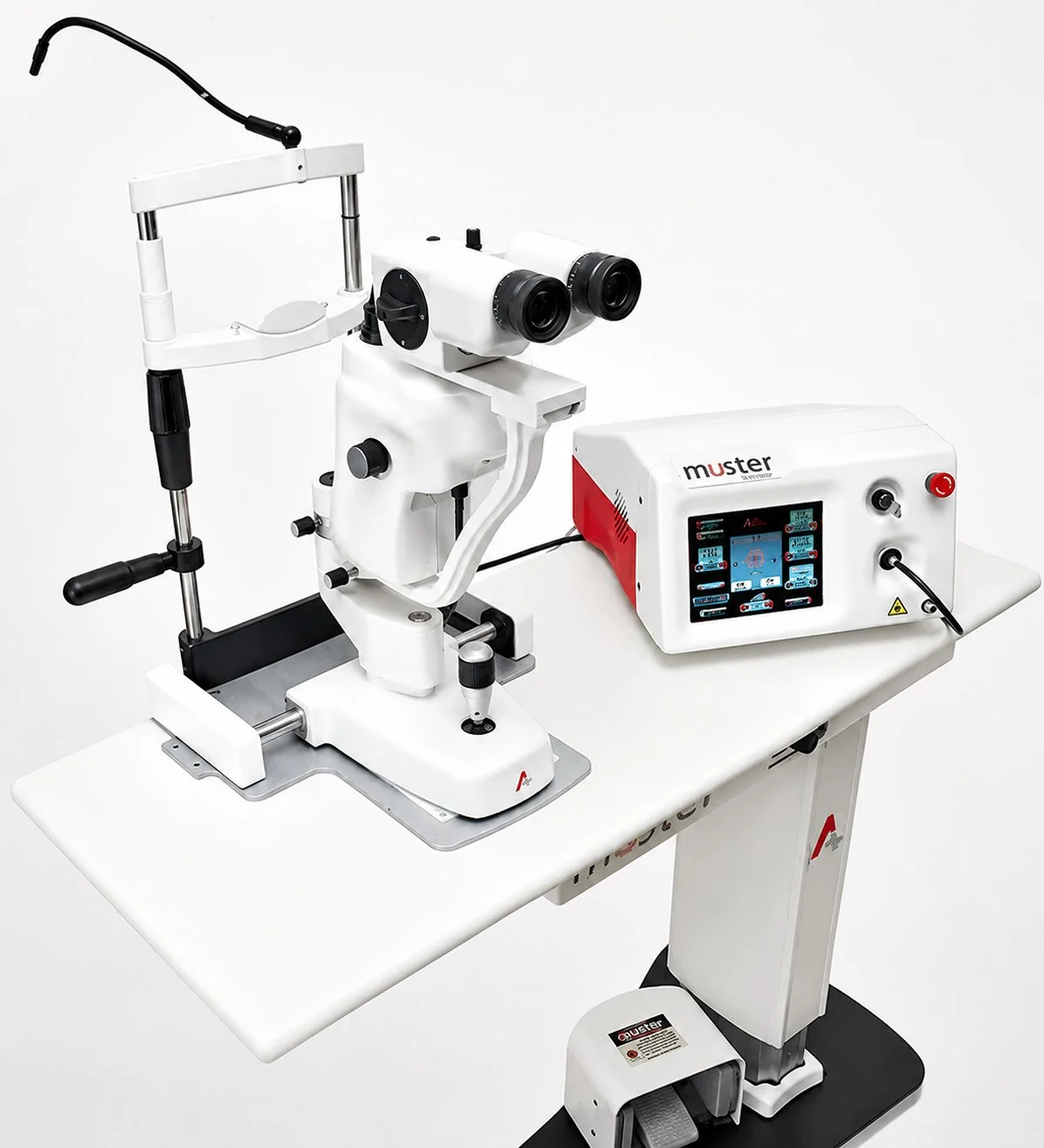
Focused LASER light treatment applied to the retina as an OPD procedure under topical anesthesia (using eye drops)
When: Retinal tears, diabetic retinopathy, proliferative vascular conditions and ROP.
At Namah, multispot green laser (AEON meditech) is used to deliver multiple laser spots at one time, ensuring quick laser procedure completion with minimal pain for the patient.
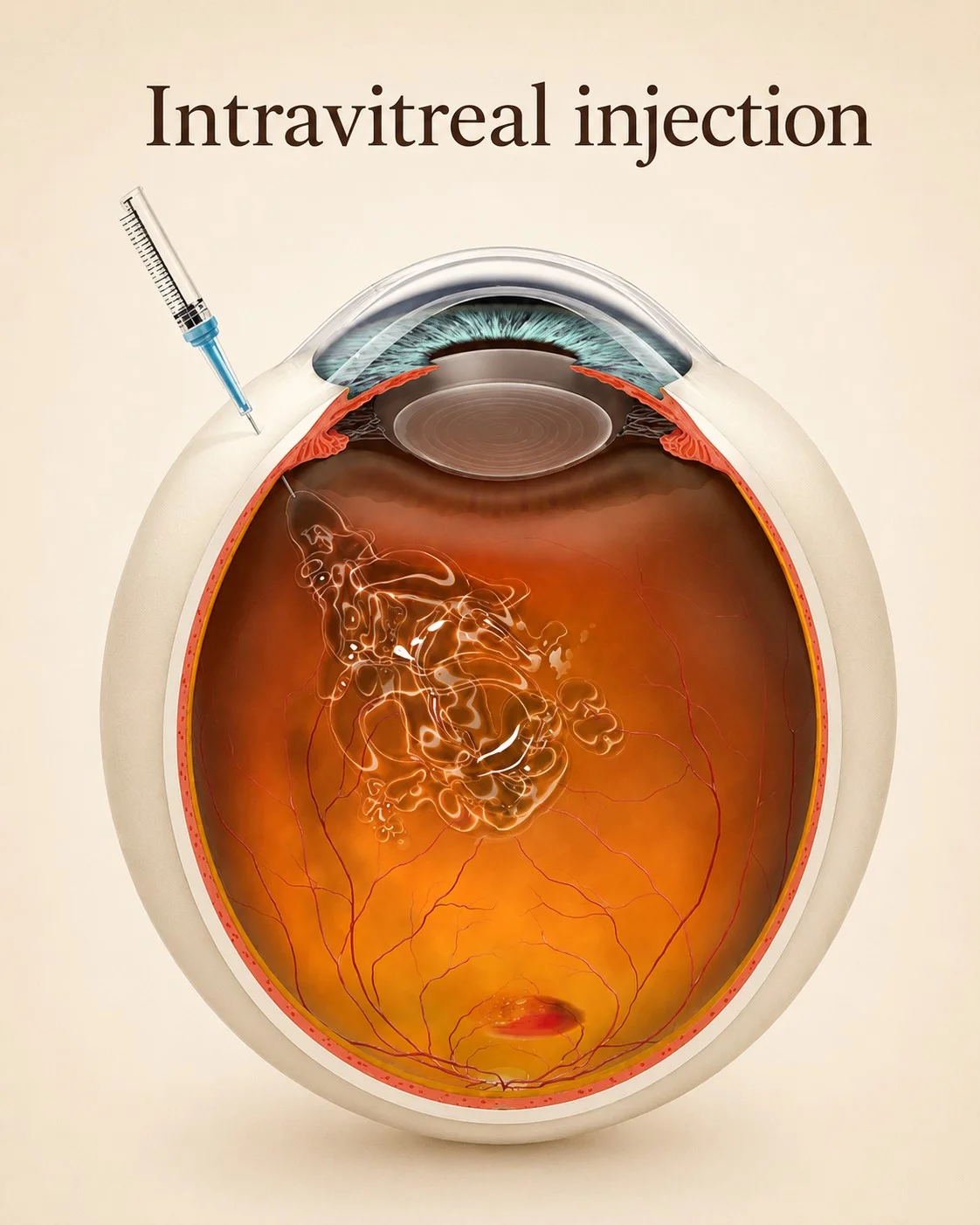
Medicine delivered inside the eye for retinal swelling or due to presence of abnormal new blood vessels. This is performed with sterile precautions under topical anesthesia in the modular operation theatre.
When: diabetic macular edema, wet AMD, vein occlusion-related swelling, proliferative vascular diseases and selected inflammatory conditions.
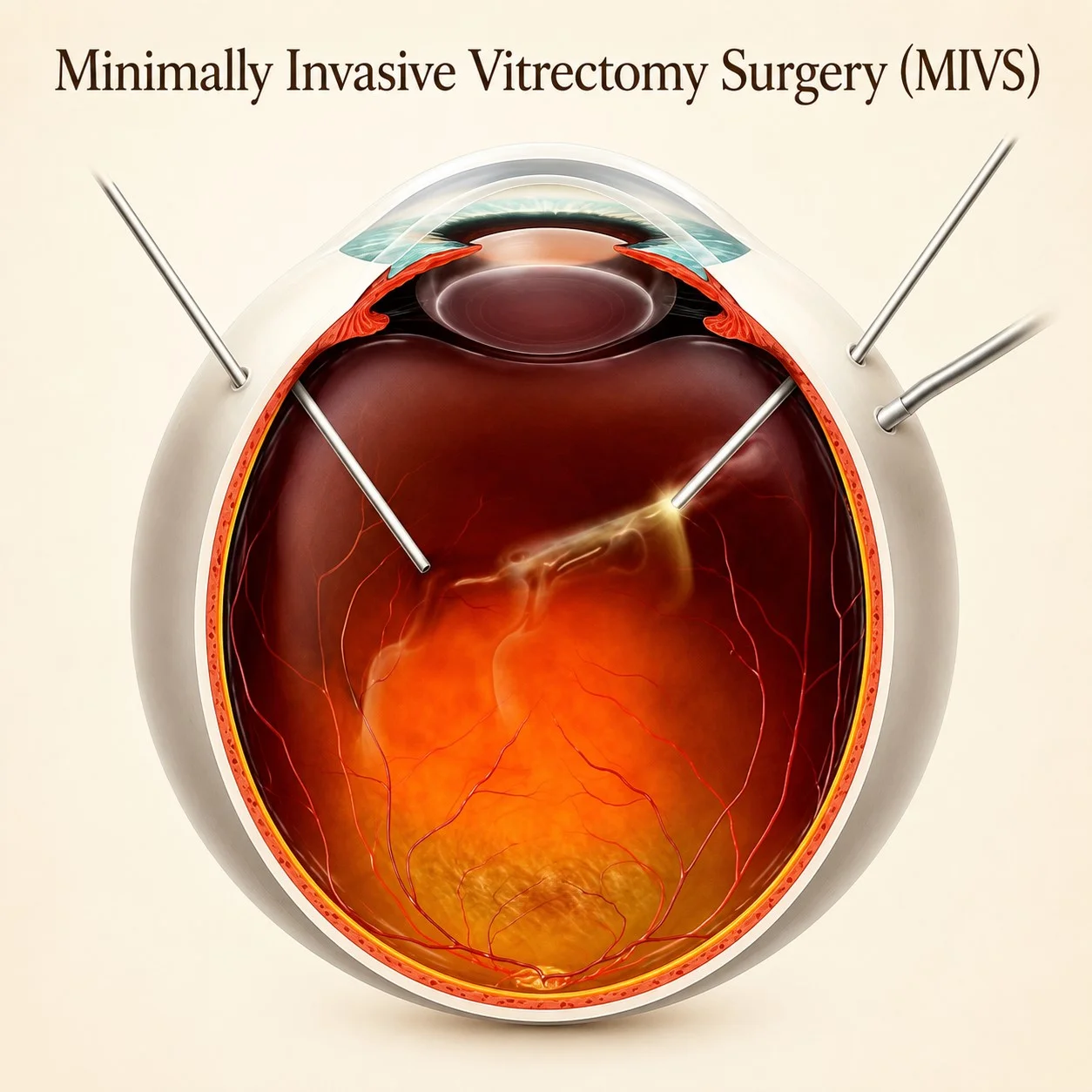
Advanced Minimally Invasive Vitrectomy Surgery (MIVS) is performed for vitreoretinal problems such as Retinal detachment, non-clearing vitreous hemorrhage, macular hole and diabetes complications, offering precise and usually sutureless surgery for complex conditions while ensuring optimal results and faster patient recovery. In some cases, silicone oil or gas is placed inside the eye during surgery to support the retina. Silicone oil removal may then be required after a few months. Need for special post- operative care in the form of head positioning may be needed in certain cases
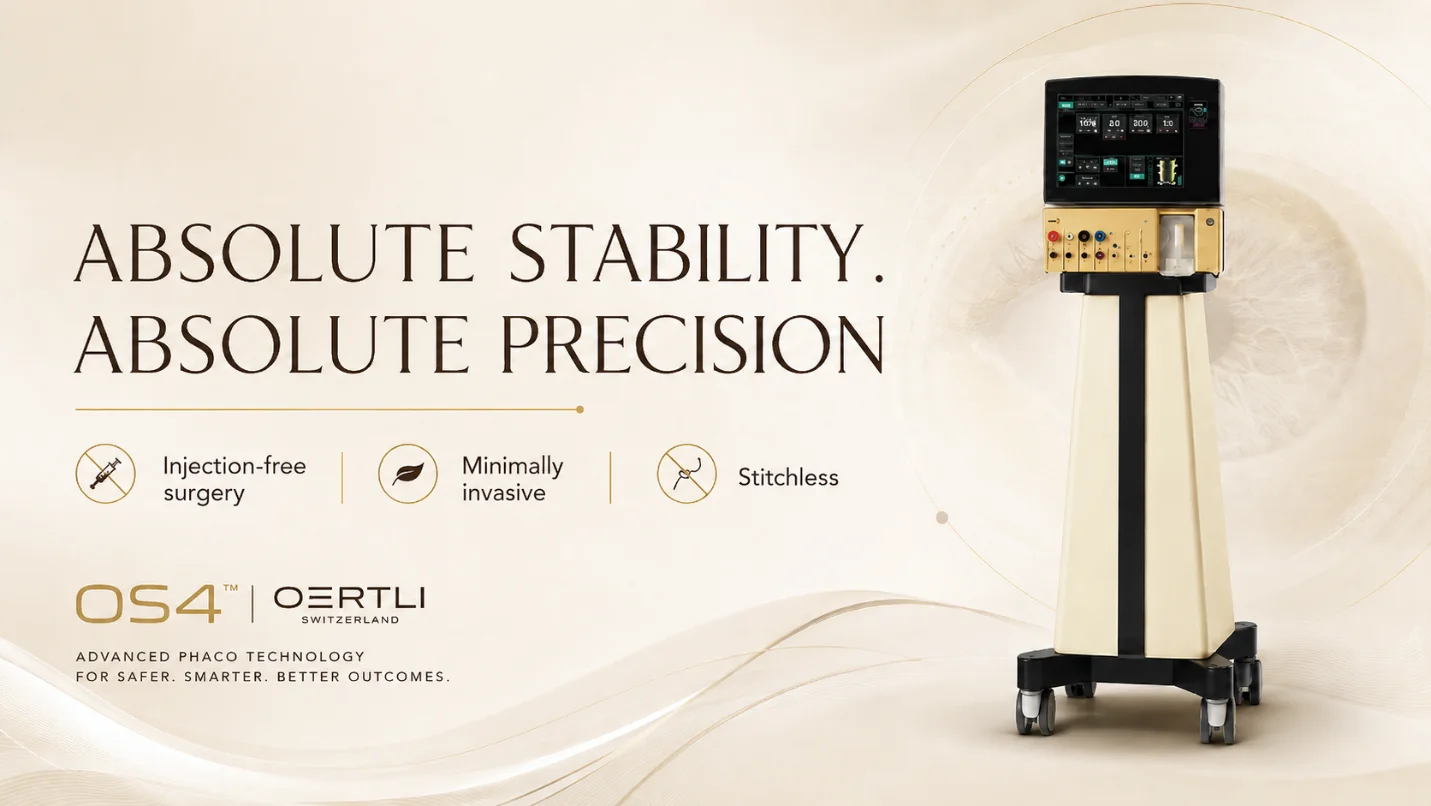
At Namah, the Oertli OS 4 vitrectomy platform is used for vitrectomy surgery. It is an advanced surgical platform with precise and controlled surgical environment that allows for stable ocular dynamics ensuring improved surgical safety. -MIVS incisions are very small and usually do not require any sutures. -Faster healing and better visual outcomes.
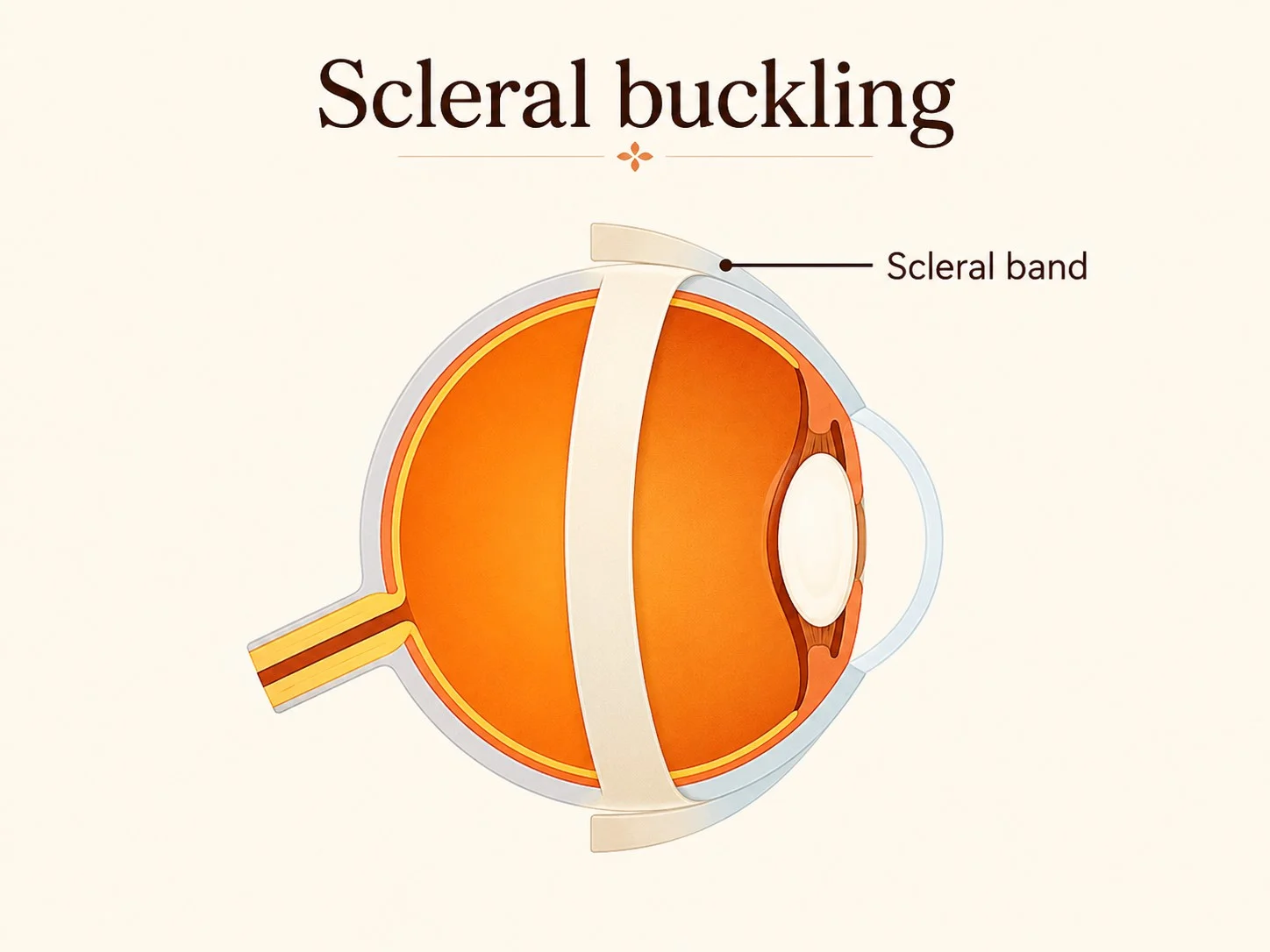
Scleral buckling is done in selected cases for retinal reattachment and support. In this procedure, a soft silicone band is placed around the eye.
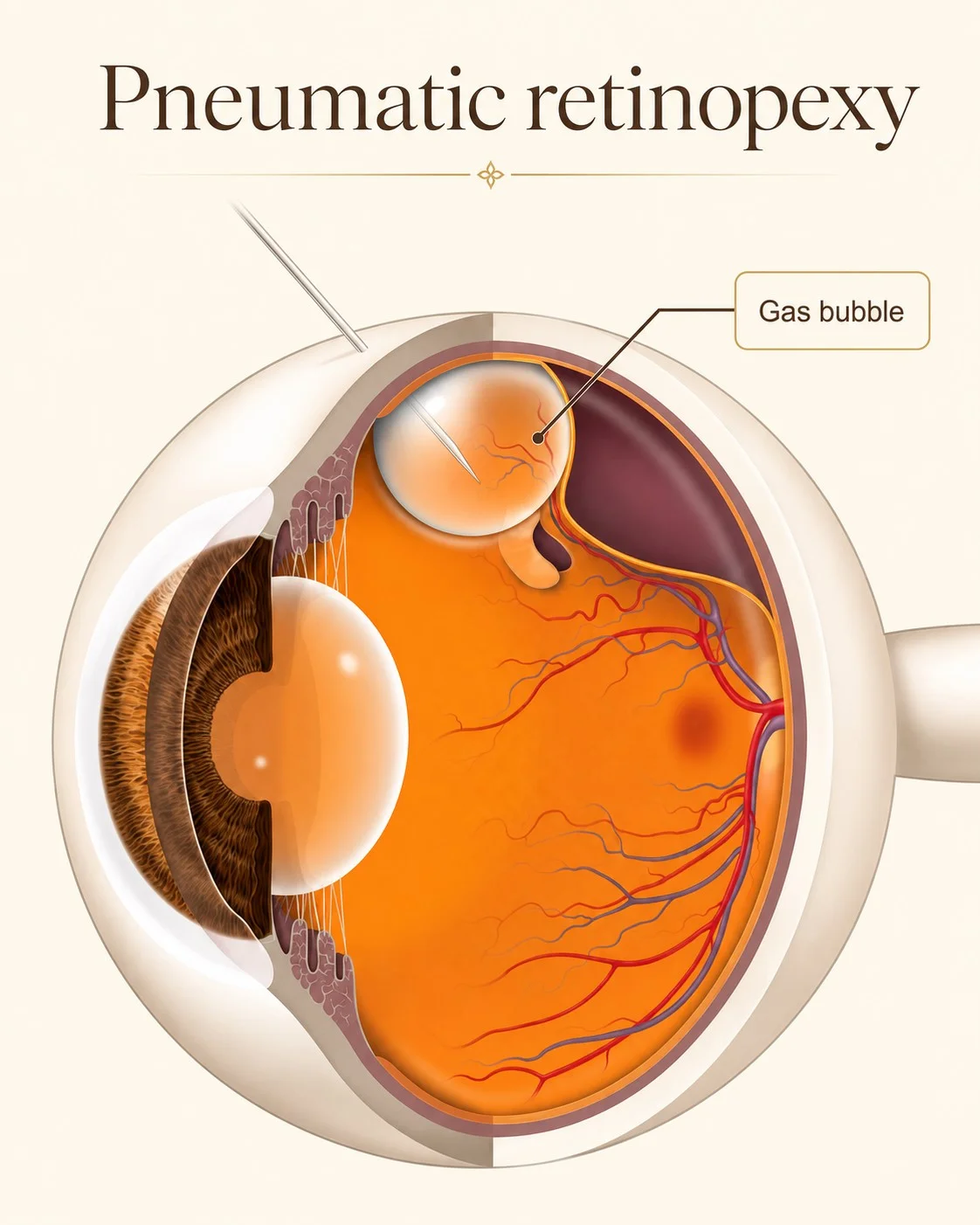
PNR is a safe, quick, minimally invasive procedure involving the injection of a gas bubble followed by laser to attach certain types of retinal detachments. The patient is then advised appropriate head positioning at home. In cases with successful retinal re-attachment, there may be no further need for a vitrectomy surgery.
Yes. Diabetic retinopathy can begin before vision changes. A dilated retinal examination and imaging, when needed, can detect early disease and guide follow-up.
Most diabetic patients need at least yearly retinal evaluation, but the interval may be shorter if retinopathy, macular edema, pregnancy, kidney disease, uncontrolled sugar or previous treatment is present.
The eye is numbed before an intravitreal injection. Most patients feel pressure or mild discomfort rather than significant pain. Sterile precautions and aftercare instructions are important.
Occasional long-standing floaters may be harmless, but a sudden increase in floaters, flashes or a shadow in vision can indicate a retinal tear or detachment and should be checked urgently.
Sudden floaters, flashes of light, a curtain-like shadow, side vision loss or sudden drop in vision are warning symptoms that need urgent retina evaluation.
ROP is Retinopathy of Prematurity, a retinal condition seen in premature babies where retinal blood vessels may grow abnormally. Screening is important because parents may not notice symptoms early.
ROP screening timing depends on birth weight, gestational age and neonatal risk factors. In India, babies born at or before 34 weeks, weighing 2000 grams or less, or clinically unstable babies are commonly considered for screening. The first screening should be scheduled as advised by the neonatologist/ROP specialist and should not be delayed.
Yes. Some types of uveitis can recur or become chronic. Follow-up is important even after symptoms improve.
Sometimes. Uveitis may be associated with infections, autoimmune conditions or inflammatory disease elsewhere in the body. Selected patients may need blood tests or physician/rheumatology coordination.
OCT is a non-invasive scan that gives cross-sectional images of the retinal layers. It helps detect swelling, fluid, macular disease and treatment response.
Many patients tolerate retinal laser well with numbing drops. Some may feel mild pricking, brightness or discomfort depending on the area treated.
Many retina conditions can be managed with observation, medicines, laser or injections. Some conditions such as retinal detachment, macular hole, advanced diabetic traction or non-clearing bleeding may need surgery.
Sudden flashes, many new floaters, curtain-like shadow, sudden vision loss or eye trauma should be treated as urgent.