
Cataract Surgery
Cataract Surgery Treatments in Pune
NAMAH: Super Speciality Eye Care Institute for Cataract Surgery
We provide advanced and highly effective cataract treatments designed to restore your vision and improve your quality of life. With the introduction of Robotic-Assisted Cataract Surgery using the Alcon Unity 4D Phaco System, we lead the way in precision cataract care, offering patients the highest standards in safety, efficiency, and recovery.
We offer state-of-the-art cataract surgery in Pune— combining precision, comfort, and premium intraocular lens (IOL) options to restore clear vision. Our expert team performs over 50 surgeries daily, using the latest technology and techniques to ensure safe, stitch-less, and pain-free procedures.
Why Choose Us?
Choosing NAMAH: Eye Care Institute for your Cataract Surgery in Pune means you will benefit from:
- Over 580,000 cataract surgeries performed
- Access to the latest surgical techniques, including robotic-assisted surgery and micro-incision phacoemulsification.
- Personalized treatment plans to suit your unique vision needs and lifestyle.
- 63% surgeries provided free of cost
- Dedicated patient care and counseling
- Ongoing research to improve surgical outcomes
Our Surgical Expertise
We specialize in:
Phacoemulsification
Ultrasonic removal of the cloudy lens via a micro-incision
Foldable IOL implantation
Restores vision with minimal discomfort
Topical anesthesia
No injection, no patch surgery
Complex cataract cases
Including Iris Claw, Scleral Fixated, and Glued IOLs
Benefits of Treatment
Proper contact lens fitting ensures optimal comfort, clear vision, and long-term eye health.
Improved visual clarity
Properly fitted contact lenses provide sharper aligning precisely with your eyes.
Improved visual clarity
Properly fitted contact lenses provide sharper aligning precisely with your eyes.
Improved visual clarity
Properly fitted contact lenses provide sharper aligning precisely with your eyes.
What is Cataract Surgery
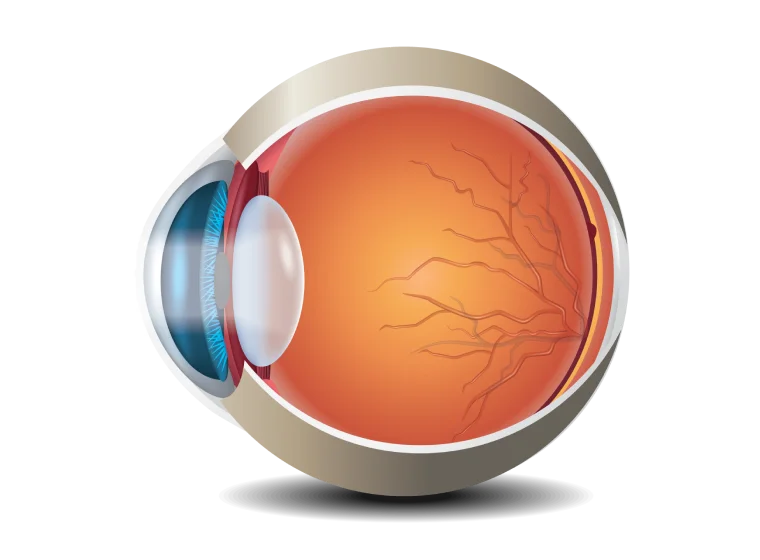
Cataract surgery is a medical procedure used to treat cataracts, where the eye’s natural lens becomes cloudy, leading to impaired vision. The surgery involves removing and replacing the cloudy lens with an artificial intraocular lens (IOL) to restore clear vision. Cataracts commonly develop with age but can also occur due to injury, certain medical conditions, or prolonged exposure to UV radiation.
Cataract procedure is one of the most frequently performed and successful surgeries worldwide. Technological advancements have made it a relatively quick, minimally invasive procedure, often completed in under 30 minutes. Most patients experience a significant improvement in their vision within a few days of surgery, allowing them to quickly return to their daily activities.
Signs & Symptoms
Cataract symptoms include:
- Blurry or cloudy vision
- ifficulty seeing at night, especially while driving
- Glare and bright lights sensitivity
- Faded and washed out colours
- Frequent prescription changes
- Double vision in one eye
- Difficulty reading or seeing details in dim light
Causes of Cataract
Cataract causes include:
- Genetics and ageing
- Elevated blood glucose levels
- Past injury, trauma or surgery
- Chronic exposure to UV light
- Smoking
- Long-term steroid use
- Excessive alcohol intake
Diagnosis and Tests
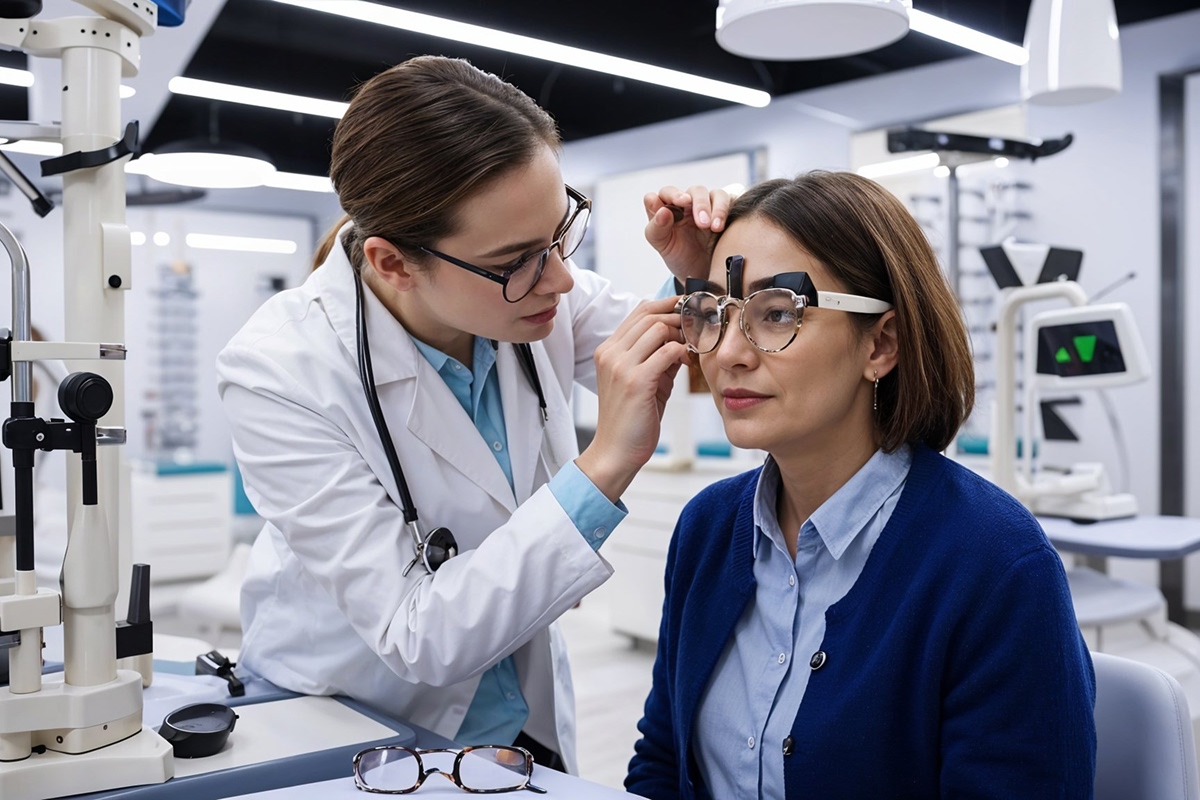
Eye specialists can diagnose cataracts with a complete eye check-up. During the exam, the optometrist will check your eyes for cloudiness in the lens and assess how advanced the cataract is.
The ophthalmologist is the one who confirms the diagnosis and decides the treatment plan, including surgery if required. They’ll also assess your vision problems, medical history, & whether you’re facing difficulty in daily activities because of poor eyesight.
Robotic-Assisted Cataract Surgery in Pune
We are committed to delivering world-class cataract surgery without the need to travel to metro cities. Our Robotic-Assisted Cataract Surgery (SLACS) is the latest innovation in cataract surgery, using the Alcon Unity 4D Phaco System. This system ensures:
- Enhanced precision during surgery, minimizing risks and complications.
- Automated stability for safer surgery and a faster recovery.
- Minimized incision size, leading to smaller scars and a quicker healing process.

Cataract is curable.
Don’t let cataract symptoms affect your day-to-day living and quality of life.
Cataract eye surgery is one of the most commonly performed procedures worldwide, where the cloudy natural lens is removed and replaced with an artificial intraocular lens for clear vision. Advances in cataract surgery techniques have made this procedure efficient and safe, with more predictable refractive outcomes, minor or very rare cataract complications, and quicker cataract surgery recovery time. Patients who visit Narayana Nethralaya for cataract surgery are provided with an individualized treatment plan by our cataract surgeons based on their age, the severity of cataract vision loss, and daily activities to obtain the best vision possible post-cataract surgery.
FAQs
Frequently Asked Questions about Cataract Surgery
It is important for you to follow all the cataract surgery pre op instructions given to you by your doctor. Your surgeon may advise you not to drink alcohol for 12 hours before the cataract eye surgery. If you are on other medications, your doctor may ask you to stop taking them or alter the timing of the medications prior to the cataract surgery procedure. You may be instructed to use cataract surgery pre op medications or pre cataract surgery eye drops to prevent infection. A good night’s rest is important before the day of the cataract operation.
Yes. Ensure that eye drops are applied as directed. Apply only one drop at a time to the suggested eye and give a gap of at least 15 minutes between drops. Note that your vision will be blurred after you apply Tropicacyl Plus eye drops on the day of cataract surgery procedure. Kindly take care accordingly.
If you are on medication for systemic illness, please continue your regular medication, unless specifically instructed otherwise by your ophthalmologist.