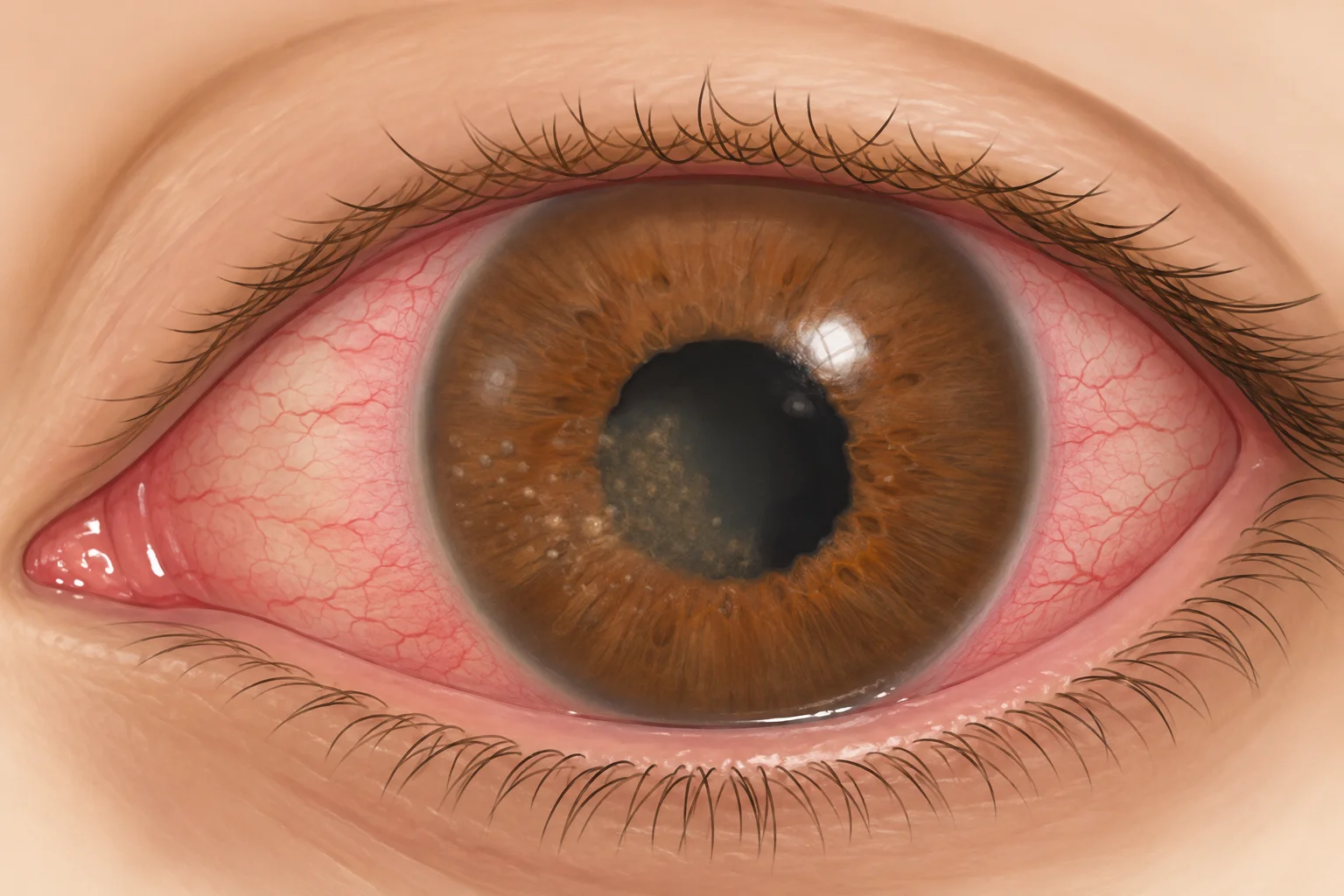
Uveal disorders of the eye include Inflammation of the Uveal tissue, which is one of the parts of the eye. It may be associated with infections, autoimmune conditions or inflammatory disease in the eye or elsewhere in the body.
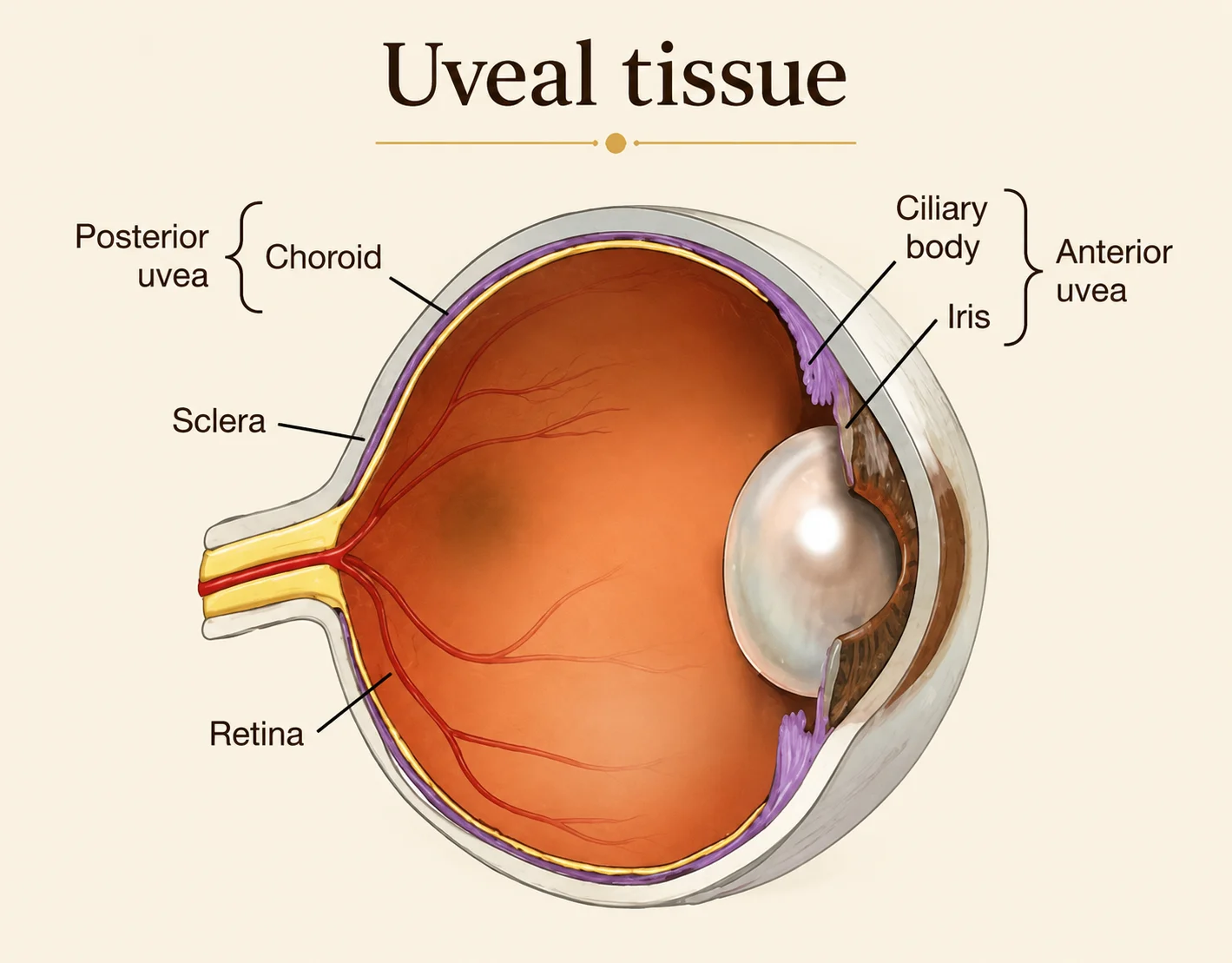
The uveal tissue is the pigmented, middle layer of the eye. It is located between the inner retina and the outer sclera. It consists of three main structures:
Colored part of the eye
Muscles that are attached to the lens and alter the lens shape
posterior part of the uvea containing a dense network of blood vessels
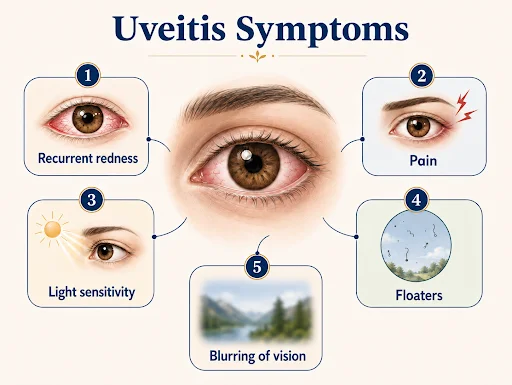
Affects the anterior uveal tissue (Iritis) causing inflammation in the anterior chamber of the eye. This is commonly associated with pain, redness and light sensitivity
Affects the middle uveal tissue (ciliary body) and vitreous gel. This is associated with floaters, blurring of vision.
Affects the posterior uveal tissue (choroid) and the retina. It is associated with decreased vision.
Inflammation involving all parts of the uveal tissue.
Endophthalmitis is a serious, sight-threatening condition due to inflammation of the intraocular fluids (vitreous and aqueous), usually due to infection. It is of 2 types- Exogenous and Endogenous. Prompt management is required to preserve vision.

Panophthalmitis is a rapidly progressing infection involving all structures of the eyeball with an extension into the orbital structures. Delayed or inadequate treatment can lead to severe or permanent vision loss and serious systemic implications.
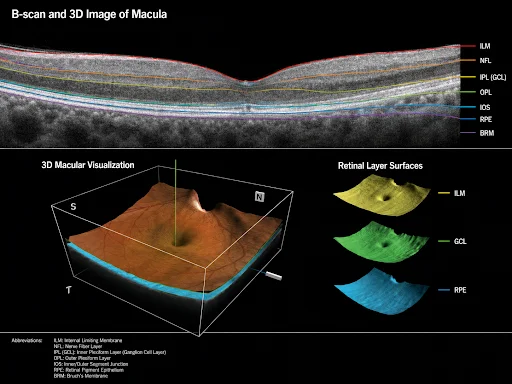
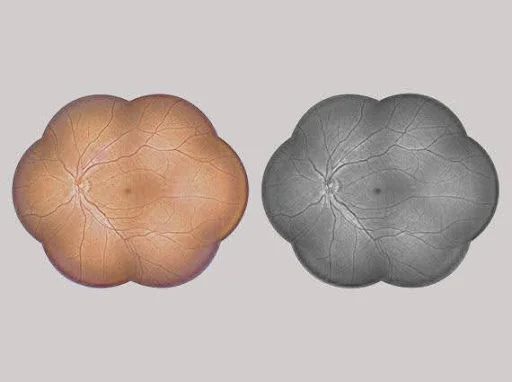
SD-OCT technology is used for fast and detailed retinal layer imaging
Fast
Non-invasive
High resolution 3D imaging
High sensitivity for detection of subtle changes in the retinal layers
Monitoring of disease progression and treatment response
Click on the image to zoom in
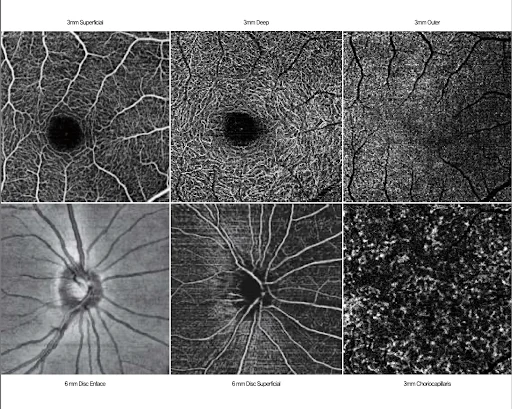
OCTA technology allows for non- invasive (NO dye injection used) imaging of retinal and choroidal blood vessels
Fast
Non- invasive (No dye injection)
Early detection of abnormal vascular changes
Monitoring for disease progression and treatment response
Click on the image to zoom in
Medical management in uveitis is done in the form of eye drops or oral medication. Detailed systemic evaluation by special blood tests helps to determine the underlying cause and start targeted systemic therapy.
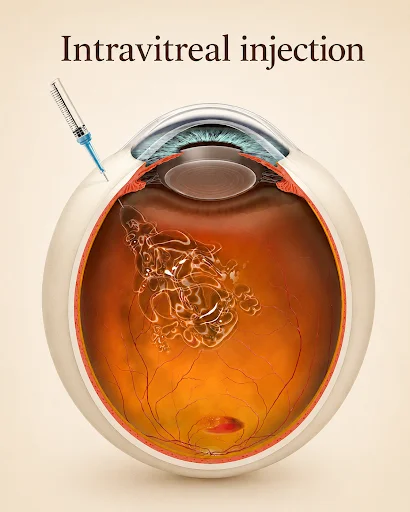
It is a minimally invasive procedure to deliver potent medicines inside the eye for maximum benefit to the patient.
Procedure is quick, safe and is performed under topical anesthesia (using eye drops).
It is given for retinal swelling or due to presence of abnormal new blood vessels or infections. These conditions include macular edema, endophthalmitis, occlusive proliferative diseases or other inflammatory conditions.
At Namah, this procedure is performed in the modular operation theatre under aseptic precautions to ensure maximum safety for the patient.
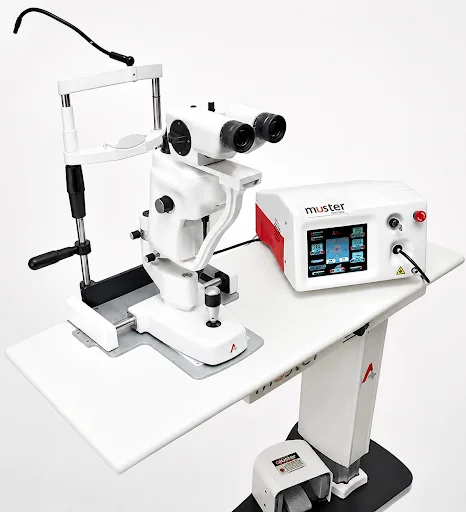
Non-invasive LASER retinal treatment is a fast and safe OPD procedure done under topical anesthesia (using eye drops)
Certain inflammatory conditions resulting in non-perfused retinal areas or proliferative changes require retinal LASER treatment
At Namah, multi-spot green laser (AEON meditech) is used to deliver multiple laser spots at one time, ensuring quick laser procedure completion with minimal pain for the patient.
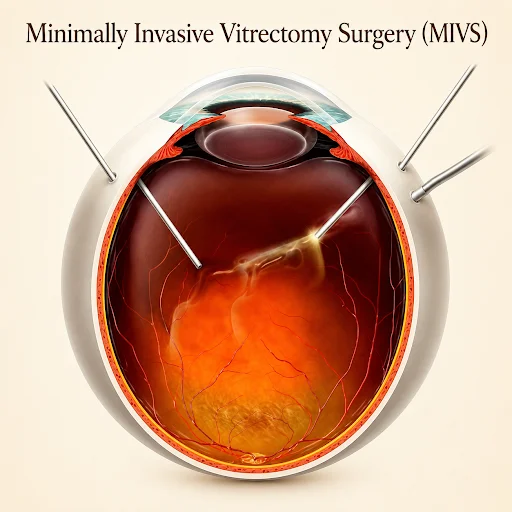
Advanced Minimally Invasive Vitrectomy Surgery (MIVS) is performed in advanced cases of uveitis causing vitreo-retinal complications.
In some cases, silicone oil or gas is placed inside the eye during surgery to support the retina. Silicone oil removal may then be required after a few months.
Need for special post- operative care in the form of head positioning may be needed in certain cases.
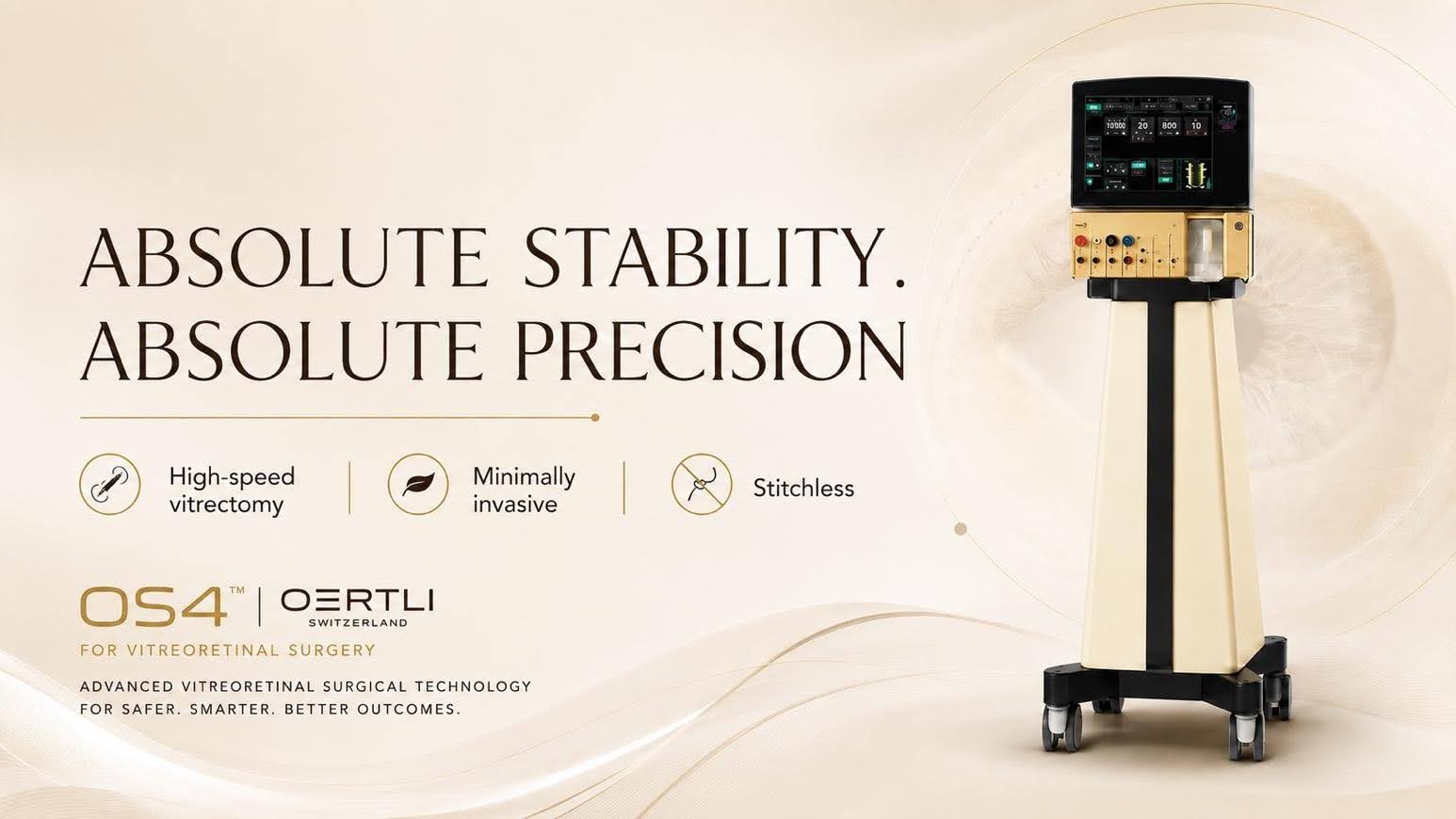
An advanced surgical platform is used for vitrectomy surgery at Namah
High speed vitrectomy with precise and controlled surgical environment
Highly stable ocular dynamics ensuring improved surgical safety
Minimally invasive procedure- MIVS incisions are very small and usually do not require any sutures
Faster healing
Better visual outcomes
Yes. Some types of uveitis can recur or become chronic. Follow-up is important even after symptoms improve.
Sometimes. Uveitis may be associated with infections, autoimmune conditions or inflammatory disease elsewhere in the body. Selected patients may need blood tests or physician/rheumatology coordination.